News
General
44 views
Yale’s Rohit De wins book prize for Indian constitutional history
Jul 15, 2026
📍 Philadelphia, PA, USA
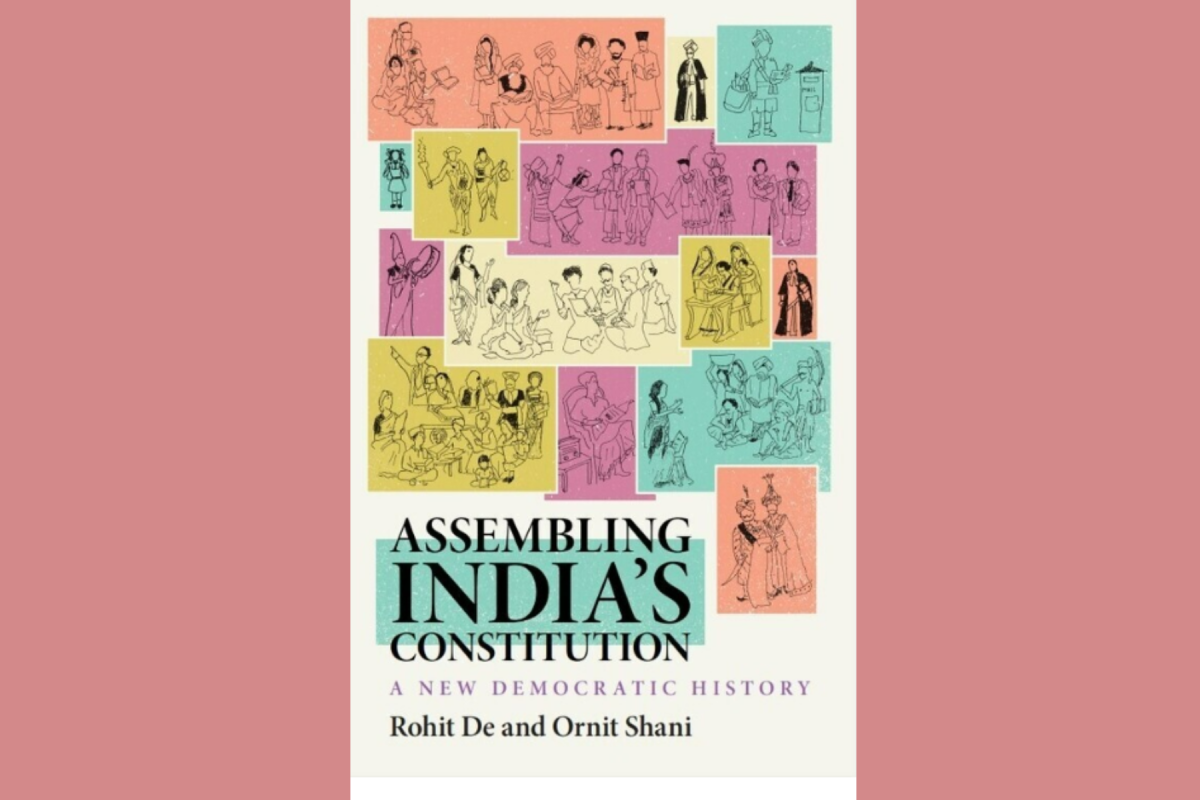
🏛️📚 Indian American legal historian Rohit De and political historian Ornit Shani have been awarded the prestigious 2026 ICON-S Book Prize for their groundbreaking work, Assembling India’s Constitution: A New Democratic History, which challenges long-standing narratives about the making of India’s Constitution.
Presented by the International Society of Public Law (ICON-S), the annual award recognizes exceptional scholarship that advances the understanding of constitutionalism, democracy, and public law worldwide.
Published by Cambridge University Press, the award-winning book argues that India’s Constitution was not crafted solely by political leaders and constitutional experts inside the Constituent Assembly. Instead, it presents compelling evidence that ordinary citizens across the country played a direct and meaningful role in shaping the nation’s founding document.
Drawing from extensive archival research, the authors reveal how thousands of Indians submitted letters, petitions, proposals, and demands to the Constituent Assembly, expressing their hopes for equality, justice, representation, and fundamental rights.
The research highlights contributions from Dalit organizations, women’s groups, tribal communities, religious minorities, and regional associations, demonstrating that constitution-making was a nationwide democratic conversation rather than an elite political exercise.
The book also uncovers how several princely states independently drafted their own constitutional frameworks while demanding greater democratic participation and local self-governance.
Speaking at Cornell University, Rohit De emphasized that citizens actively inserted themselves into the constitutional process, making India’s founding document one of the world's most participatory democratic projects.
De currently serves as an Associate Professor of History at Yale University and has previously worked with the Supreme Court of India, in addition to contributing to constitutional reform initiatives in Nepal and Sri Lanka.
His academic work focuses on legal history, constitutionalism, and how marginalized communities have used the law to advance social justice.
Co-author Ornit Shani, Associate Professor at the University of Haifa, specializes in the history of Indian democracy and South Asian politics and has also served as a visiting professor at Yale University.
Together, the scholars argue that the broad participation of ordinary citizens gave India’s Constitution its enduring legitimacy and helped strengthen the foundations of the world’s largest democracy.
The recognition by ICON-S underscores the growing global importance of revisiting constitutional history through the voices of everyday people rather than only political elites.
Their work offers a fresh perspective on democratic nation-building and highlights how public participation shaped one of the most influential constitutions in modern history.
Presented by the International Society of Public Law (ICON-S), the annual award recognizes exceptional scholarship that advances the understanding of constitutionalism, democracy, and public law worldwide.
Published by Cambridge University Press, the award-winning book argues that India’s Constitution was not crafted solely by political leaders and constitutional experts inside the Constituent Assembly. Instead, it presents compelling evidence that ordinary citizens across the country played a direct and meaningful role in shaping the nation’s founding document.
Drawing from extensive archival research, the authors reveal how thousands of Indians submitted letters, petitions, proposals, and demands to the Constituent Assembly, expressing their hopes for equality, justice, representation, and fundamental rights.
The research highlights contributions from Dalit organizations, women’s groups, tribal communities, religious minorities, and regional associations, demonstrating that constitution-making was a nationwide democratic conversation rather than an elite political exercise.
The book also uncovers how several princely states independently drafted their own constitutional frameworks while demanding greater democratic participation and local self-governance.
Speaking at Cornell University, Rohit De emphasized that citizens actively inserted themselves into the constitutional process, making India’s founding document one of the world's most participatory democratic projects.
De currently serves as an Associate Professor of History at Yale University and has previously worked with the Supreme Court of India, in addition to contributing to constitutional reform initiatives in Nepal and Sri Lanka.
His academic work focuses on legal history, constitutionalism, and how marginalized communities have used the law to advance social justice.
Co-author Ornit Shani, Associate Professor at the University of Haifa, specializes in the history of Indian democracy and South Asian politics and has also served as a visiting professor at Yale University.
Together, the scholars argue that the broad participation of ordinary citizens gave India’s Constitution its enduring legitimacy and helped strengthen the foundations of the world’s largest democracy.
The recognition by ICON-S underscores the growing global importance of revisiting constitutional history through the voices of everyday people rather than only political elites.
Their work offers a fresh perspective on democratic nation-building and highlights how public participation shaped one of the most influential constitutions in modern history.
Tags
news
Comments (0)
Login to post comments
No comments yet
Be the first to share your thoughts about this post.