News
General
35 views
Meta layoff forces H-1B worker to leave US
Jul 15, 2026
📍 Philadelphia, PA, USA
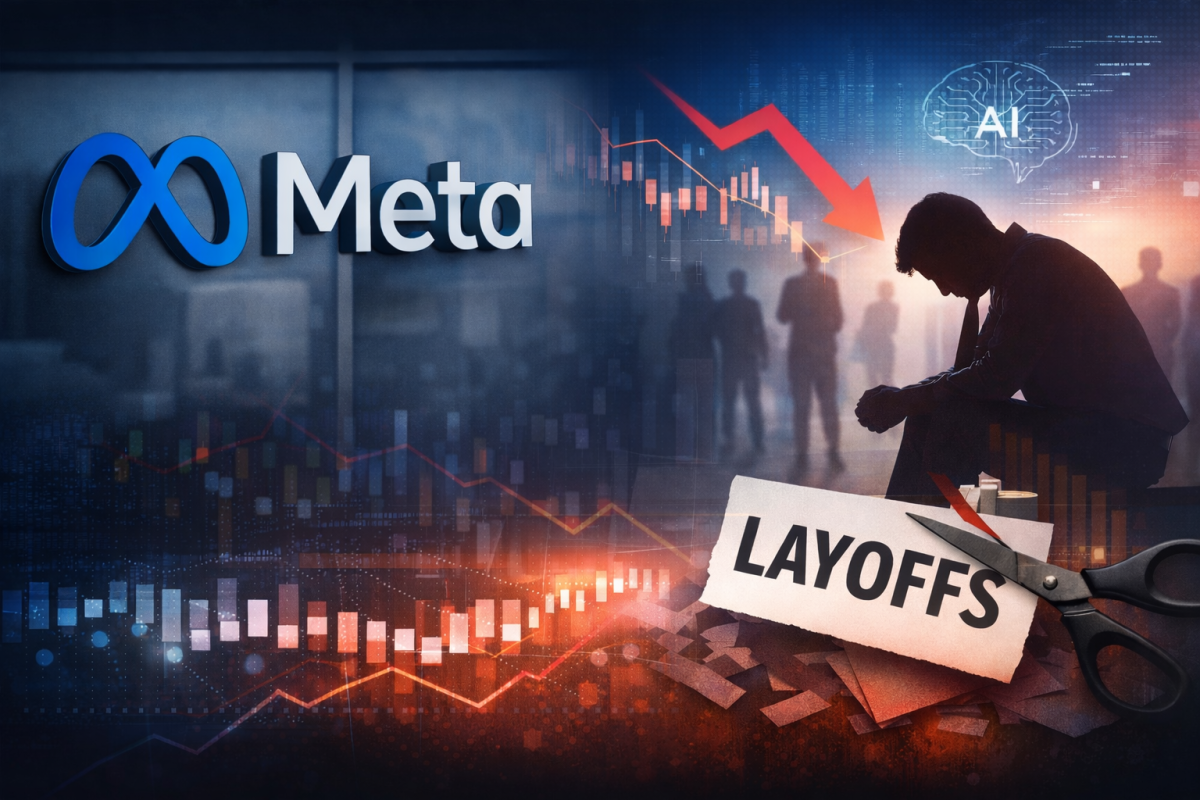
💼🇺🇸 A former Meta employee who spent 14 years building his career in the United States is relocating his family back to India after losing his job during the company’s May layoffs, drawing renewed attention to the immigration challenges faced by H-1B visa holders whose legal status depends on continued employment.
In a LinkedIn post that has resonated widely across social media, the former Meta professional revealed that his 60-day grace period under U.S. immigration rules had expired, leaving him with no option but to return to Hyderabad with his family.
“Late to the game here but I was impacted by Meta’s last round of layoffs,” he wrote, explaining that despite actively searching for new opportunities, immigration deadlines ultimately dictated his decision.
He described the previous seven weeks as an emotional journey filled with optimism, uncertainty, anxiety, and disappointment as multiple hiring conversations failed to materialize within the limited timeframe allowed by immigration regulations.
According to the post, his immigration status overshadowed nearly every interview process, making it increasingly difficult to secure a new employer willing to complete the necessary visa transfer before his legal status expired.
After spending nearly a decade and a half building a life in the United States, the family is now preparing to begin a new chapter in Hyderabad.
The story gained broader attention after LayoffAI shared excerpts from the post on X, describing it as another example of the structural weaknesses within the H-1B visa system.
The account noted that the employee had previously worked for Tata Consultancy Services (TCS), Amazon, and Meta—three of the largest H-1B visa sponsors in the United States.
According to LayoffAI, these companies have collectively filed more than 333,000 Labor Condition Applications since 2015, underscoring the technology industry's heavy reliance on skilled international workers.
The case has renewed debate over the vulnerability of highly skilled immigrants whose legal residency remains directly tied to their employers.
Under current U.S. immigration regulations, most H-1B workers who lose their jobs generally receive a grace period of up to 60 days to secure new qualifying employment, change immigration status, or leave the country.
Immigration experts have long argued that extensive green card backlogs leave many highly qualified professionals dependent on temporary visas for years, increasing uncertainty during periods of widespread layoffs.
Indian nationals continue to receive the overwhelming majority of H-1B visas, making them particularly affected by employment disruptions in the technology sector.
As layoffs continue across Silicon Valley, the former Meta employee’s story has become a powerful reminder of the human impact behind corporate restructuring, highlighting how job losses can rapidly evolve into life-changing immigration decisions for thousands of skilled professionals and their families.
In a LinkedIn post that has resonated widely across social media, the former Meta professional revealed that his 60-day grace period under U.S. immigration rules had expired, leaving him with no option but to return to Hyderabad with his family.
“Late to the game here but I was impacted by Meta’s last round of layoffs,” he wrote, explaining that despite actively searching for new opportunities, immigration deadlines ultimately dictated his decision.
He described the previous seven weeks as an emotional journey filled with optimism, uncertainty, anxiety, and disappointment as multiple hiring conversations failed to materialize within the limited timeframe allowed by immigration regulations.
According to the post, his immigration status overshadowed nearly every interview process, making it increasingly difficult to secure a new employer willing to complete the necessary visa transfer before his legal status expired.
After spending nearly a decade and a half building a life in the United States, the family is now preparing to begin a new chapter in Hyderabad.
The story gained broader attention after LayoffAI shared excerpts from the post on X, describing it as another example of the structural weaknesses within the H-1B visa system.
The account noted that the employee had previously worked for Tata Consultancy Services (TCS), Amazon, and Meta—three of the largest H-1B visa sponsors in the United States.
According to LayoffAI, these companies have collectively filed more than 333,000 Labor Condition Applications since 2015, underscoring the technology industry's heavy reliance on skilled international workers.
The case has renewed debate over the vulnerability of highly skilled immigrants whose legal residency remains directly tied to their employers.
Under current U.S. immigration regulations, most H-1B workers who lose their jobs generally receive a grace period of up to 60 days to secure new qualifying employment, change immigration status, or leave the country.
Immigration experts have long argued that extensive green card backlogs leave many highly qualified professionals dependent on temporary visas for years, increasing uncertainty during periods of widespread layoffs.
Indian nationals continue to receive the overwhelming majority of H-1B visas, making them particularly affected by employment disruptions in the technology sector.
As layoffs continue across Silicon Valley, the former Meta employee’s story has become a powerful reminder of the human impact behind corporate restructuring, highlighting how job losses can rapidly evolve into life-changing immigration decisions for thousands of skilled professionals and their families.
Tags
news
Comments (0)
Login to post comments
No comments yet
Be the first to share your thoughts about this post.