News
General
35 views
The Mechanics of Sovereign Packaging
Aug 18, 2026
📍 Philadelphia, PA, USA
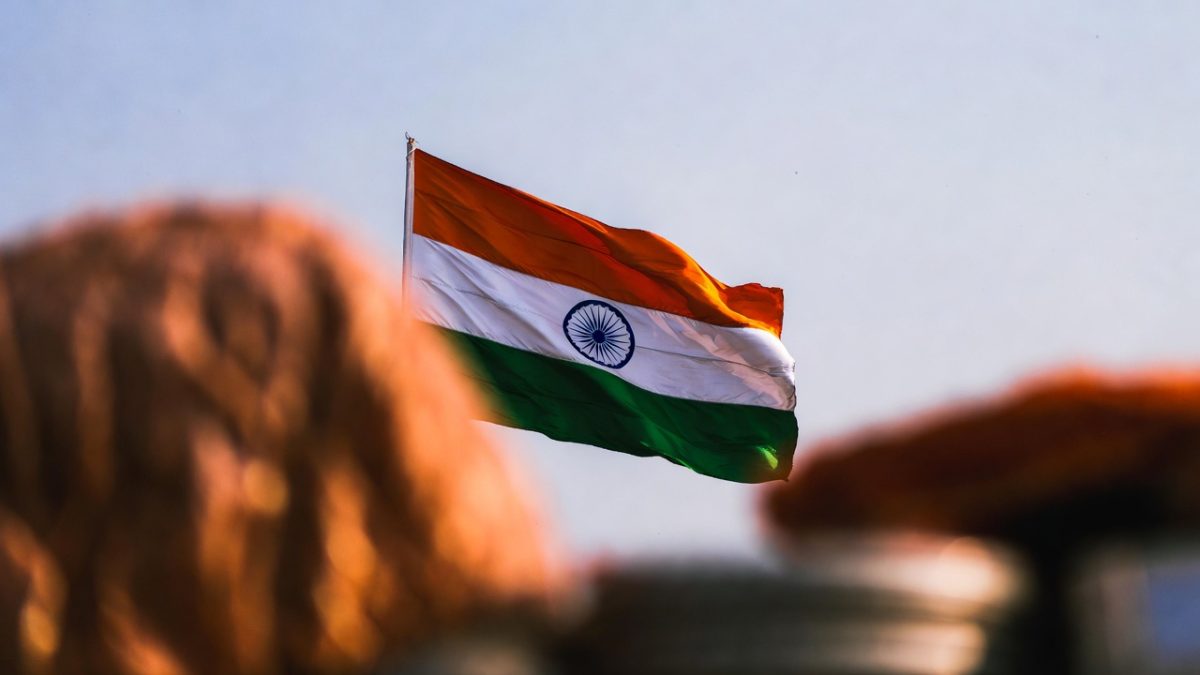
# India’s 80th Independence Day Address Highlights Ambition, but Questions Over Delivery Remain
India’s 80th Independence Day address from the Red Fort on August 15, 2026, presented an ambitious vision of national development while also exposing the difficult gap between political messaging and the country’s underlying economic and institutional challenges. The annual speech has long served as an important moment for the government to outline its priorities, celebrate achievements and shape the national conversation. This year, however, the address came against a more complicated political backdrop, including coalition pressures, growing concerns about employment and increasing anxiety among India’s younger population. At the heart of the speech was a carefully constructed narrative of rapid transformation and national momentum. Complex economic developments were presented through simple numerical comparisons, including increases in defense production, electronics manufacturing and mobile phone output. Such figures offered an accessible picture of progress while leaving broader questions about employment, productivity and the sustainability of growth less prominent. A major feature of the address was the “Sapt Dhara,” or Seven Streams of Power, presented as a roadmap toward building a developed India by 2047. The framework placed emphasis on manufacturing, technology and artificial intelligence, agriculture, infrastructure, defense, the green and blue economy, and India’s cultural influence. Supporters of the vision may see these areas as essential components of a modern economy capable of competing globally. Yet the scale of the ambitions raises questions about whether current investment in education, public infrastructure, research and human capital is sufficient to achieve them. Manufacturing, for example, has been positioned as a central pillar of India’s development strategy, with ambitions for high-quality exports and greater global integration. At the same time, concerns remain over manufacturing’s overall contribution to the economy and the ability to generate employment at the scale required by India’s growing workforce. Artificial intelligence and technology were also presented as major opportunities, including plans to train millions of young people. But the technological push exists alongside persistent concerns about foundational education, learning outcomes and unequal access to quality schooling. One of the most politically significant announcements was a centralized digital coaching network for competitive examinations. The initiative could provide affordable preparation resources to students, particularly those who cannot afford private coaching. However, critics may question whether examination preparation can address deeper weaknesses in India’s education system. Coaching can help students compete for limited opportunities, but it cannot substitute for strong schools, well-trained teachers, laboratories, libraries and broad-based learning. The address also emphasized agriculture, infrastructure and national security as key components of India’s future development. Plans for expanding food processing and agricultural exports reflect an effort to move beyond traditional farming, while infrastructure initiatives seek to improve connectivity through multimodal transportation networks. Defense self-reliance was another major theme, although India continues to depend on foreign technology and components in several areas of military procurement. The speech also introduced a changing political vocabulary around national security and ideological opposition. The use of terms such as “dimagi Naxal,” or intellectual Naxal, broadens the language traditionally associated with physical insurgency and raises questions about how political dissent and criticism are classified. Critics argue that applying security terminology to intellectual or institutional disagreement risks narrowing the space for legitimate democratic debate. Another notable feature was the treatment of India’s long-term development history. Many of the country’s present-day achievements, including digital infrastructure, railway modernization, telecommunications networks and public health systems, have been built through investments and policies spanning multiple governments and decades. The political presentation of such achievements, however, can sometimes compress that history into a more recent narrative of transformation. The distinction matters because national development is rarely the product of one administration alone; it is generally the result of institutions, public investments and policies accumulated over generations. The broader challenge facing India is therefore not simply whether it can announce ambitious targets but whether it can build the institutional capacity required to deliver them. A rapidly growing population creates both an enormous opportunity and a significant responsibility. Millions of young Indians entering the workforce each year will need quality education, productive employment and opportunities to participate meaningfully in economic growth. If those expectations are not met, political frustration could increase regardless of how impressive official development statistics appear. The address nevertheless demonstrated the government’s ability to communicate a clear national vision and present India as a country moving toward greater technological, economic and strategic influence. The central question is whether the country’s institutions can match the scale of that vision. India’s path toward 2047 will ultimately depend less on speeches and more on the quality of its schools, employment opportunities, research systems, public services and democratic institutions. The Independence Day address offered a powerful picture of the destination, but the harder task remains building the road that can reliably take the country there.
India’s 80th Independence Day address from the Red Fort on August 15, 2026, presented an ambitious vision of national development while also exposing the difficult gap between political messaging and the country’s underlying economic and institutional challenges. The annual speech has long served as an important moment for the government to outline its priorities, celebrate achievements and shape the national conversation. This year, however, the address came against a more complicated political backdrop, including coalition pressures, growing concerns about employment and increasing anxiety among India’s younger population. At the heart of the speech was a carefully constructed narrative of rapid transformation and national momentum. Complex economic developments were presented through simple numerical comparisons, including increases in defense production, electronics manufacturing and mobile phone output. Such figures offered an accessible picture of progress while leaving broader questions about employment, productivity and the sustainability of growth less prominent. A major feature of the address was the “Sapt Dhara,” or Seven Streams of Power, presented as a roadmap toward building a developed India by 2047. The framework placed emphasis on manufacturing, technology and artificial intelligence, agriculture, infrastructure, defense, the green and blue economy, and India’s cultural influence. Supporters of the vision may see these areas as essential components of a modern economy capable of competing globally. Yet the scale of the ambitions raises questions about whether current investment in education, public infrastructure, research and human capital is sufficient to achieve them. Manufacturing, for example, has been positioned as a central pillar of India’s development strategy, with ambitions for high-quality exports and greater global integration. At the same time, concerns remain over manufacturing’s overall contribution to the economy and the ability to generate employment at the scale required by India’s growing workforce. Artificial intelligence and technology were also presented as major opportunities, including plans to train millions of young people. But the technological push exists alongside persistent concerns about foundational education, learning outcomes and unequal access to quality schooling. One of the most politically significant announcements was a centralized digital coaching network for competitive examinations. The initiative could provide affordable preparation resources to students, particularly those who cannot afford private coaching. However, critics may question whether examination preparation can address deeper weaknesses in India’s education system. Coaching can help students compete for limited opportunities, but it cannot substitute for strong schools, well-trained teachers, laboratories, libraries and broad-based learning. The address also emphasized agriculture, infrastructure and national security as key components of India’s future development. Plans for expanding food processing and agricultural exports reflect an effort to move beyond traditional farming, while infrastructure initiatives seek to improve connectivity through multimodal transportation networks. Defense self-reliance was another major theme, although India continues to depend on foreign technology and components in several areas of military procurement. The speech also introduced a changing political vocabulary around national security and ideological opposition. The use of terms such as “dimagi Naxal,” or intellectual Naxal, broadens the language traditionally associated with physical insurgency and raises questions about how political dissent and criticism are classified. Critics argue that applying security terminology to intellectual or institutional disagreement risks narrowing the space for legitimate democratic debate. Another notable feature was the treatment of India’s long-term development history. Many of the country’s present-day achievements, including digital infrastructure, railway modernization, telecommunications networks and public health systems, have been built through investments and policies spanning multiple governments and decades. The political presentation of such achievements, however, can sometimes compress that history into a more recent narrative of transformation. The distinction matters because national development is rarely the product of one administration alone; it is generally the result of institutions, public investments and policies accumulated over generations. The broader challenge facing India is therefore not simply whether it can announce ambitious targets but whether it can build the institutional capacity required to deliver them. A rapidly growing population creates both an enormous opportunity and a significant responsibility. Millions of young Indians entering the workforce each year will need quality education, productive employment and opportunities to participate meaningfully in economic growth. If those expectations are not met, political frustration could increase regardless of how impressive official development statistics appear. The address nevertheless demonstrated the government’s ability to communicate a clear national vision and present India as a country moving toward greater technological, economic and strategic influence. The central question is whether the country’s institutions can match the scale of that vision. India’s path toward 2047 will ultimately depend less on speeches and more on the quality of its schools, employment opportunities, research systems, public services and democratic institutions. The Independence Day address offered a powerful picture of the destination, but the harder task remains building the road that can reliably take the country there.
Tags
news
Comments (0)
Login to post comments
No comments yet
Be the first to share your thoughts about this post.