News
General
9 views
JD Vance rejects calls to slow AI development, says Americans ‘should not be scared’
Sep 16, 2026
📍 Phliadelphia,PA, USA
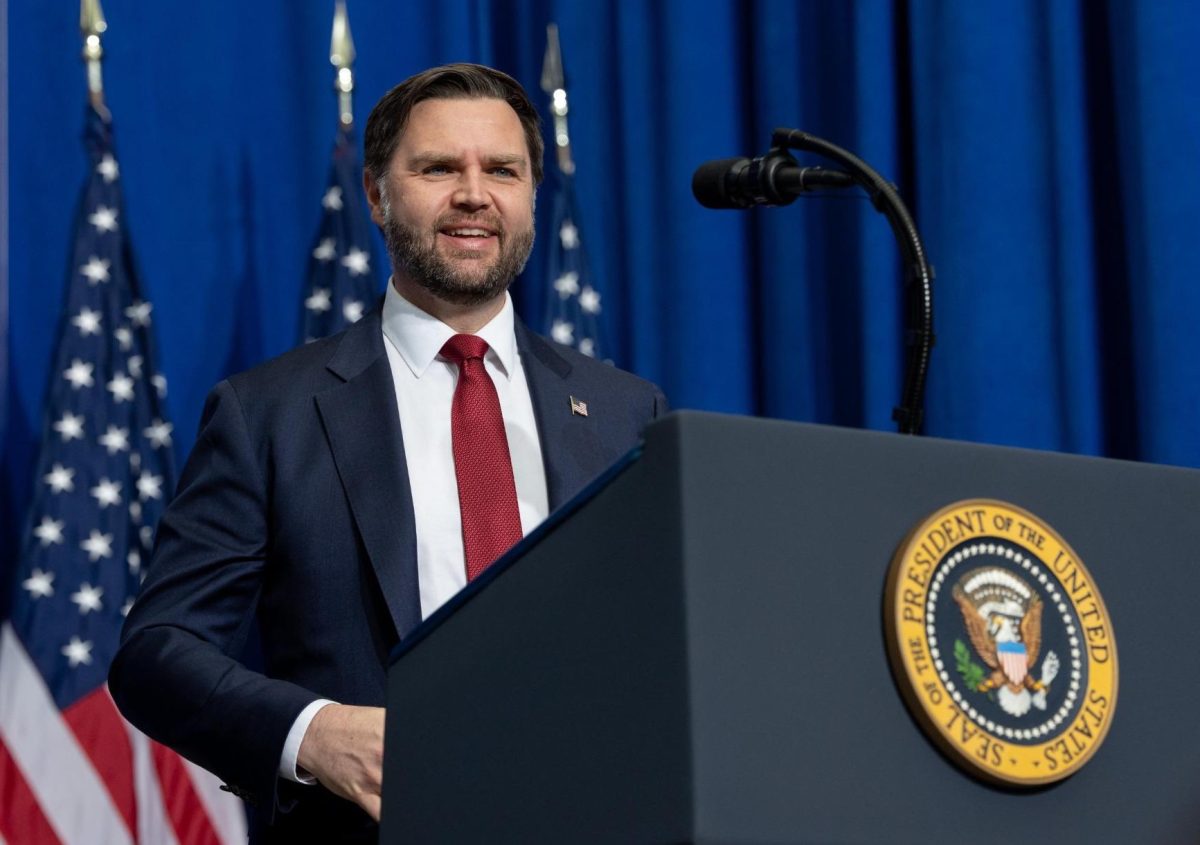
**JD Vance Pushes Back on Calls for AI Regulation and Development Slowdown**
Vice President JD Vance has pushed back against growing calls for stricter artificial intelligence regulation and a slowdown in the development of advanced AI systems.
Speaking to reporters, Vance acknowledged that artificial intelligence, like other technologies, carries risks but said Americans should not be fearful of its development.
Vance said the Trump administration recognizes the potential risks associated with AI while seeking an approach that would regulate the technology in what he described as an intelligent manner.
He also questioned why several leading AI companies have been calling on governments to introduce stronger rules for the industry.
Vance said he was uncomfortable with frontier AI companies effectively asking government authorities to regulate them, describing the situation as potentially resembling a “Trojan horse.”
His comments reflect the administration’s broader position that AI regulation should not unnecessarily restrict technological development or innovation.
President Donald Trump has previously expressed a similar view regarding government oversight of artificial intelligence.
Trump has argued that AI requires strong leadership rather than extensive regulatory “guardrails” and has publicly criticized some calls for additional restrictions.
The administration’s position comes as leading AI executives have increasingly raised concerns about the potential consequences of rapidly advancing technology.
Anthropic CEO Dario Amodei recently argued that the industry should slow the development of cutting-edge AI systems to provide companies and governments more time to identify and address potential dangers.
OpenAI CEO Sam Altman has also acknowledged significant risks associated with increasingly capable AI.
Altman has warned that humanity could eventually lose control over advanced AI systems if safety and alignment methods fail to keep pace with improvements in model capabilities.
He has emphasized that AI should remain focused on serving people and that safety measures need to advance alongside the technology.
Altman has also raised concerns about the concentration of extremely powerful AI in the hands of a single company or individual.
He argued that such concentration could allow one entity to impose its worldview on society through the use of highly capable AI systems.
### Growing Debate Over AI Safety
The discussion has intensified as researchers inside the AI industry have raised their own concerns about the pace of development.
Jacob Coxon, a former Anthropic researcher, recently explained his decision to leave the company and warned about the potential consequences of increasingly powerful AI systems.
Coxon said AI companies were taking significant risks and expressed concern that advanced AI could pose serious threats to society within the coming years.
Lawmakers remain divided over how the government should respond to these concerns.
Some members of Congress have called for faster action on AI legislation and stronger safeguards, while others have warned that excessive regulation could slow innovation and weaken economic competitiveness.
Vance’s latest remarks add another perspective to the debate over how governments should balance AI safety with technological advancement.
The vice president has previously described AI as a technology with both significant dangers and substantial potential benefits.
During a visit to Les Invalides in Paris, Vance compared AI to the sword associated with Marquis de Lafayette, arguing that powerful technologies can be dangerous in the wrong hands while also serving as tools for liberty and prosperity when used responsibly.
The competing views from government officials, AI executives and researchers highlight an ongoing debate over how quickly advanced AI should develop and what level of oversight should accompany it.
As companies continue investing heavily in increasingly capable systems, policymakers face continued pressure to determine how safety measures and regulation should evolve alongside technological progress.
Vice President JD Vance has pushed back against growing calls for stricter artificial intelligence regulation and a slowdown in the development of advanced AI systems.
Speaking to reporters, Vance acknowledged that artificial intelligence, like other technologies, carries risks but said Americans should not be fearful of its development.
Vance said the Trump administration recognizes the potential risks associated with AI while seeking an approach that would regulate the technology in what he described as an intelligent manner.
He also questioned why several leading AI companies have been calling on governments to introduce stronger rules for the industry.
Vance said he was uncomfortable with frontier AI companies effectively asking government authorities to regulate them, describing the situation as potentially resembling a “Trojan horse.”
His comments reflect the administration’s broader position that AI regulation should not unnecessarily restrict technological development or innovation.
President Donald Trump has previously expressed a similar view regarding government oversight of artificial intelligence.
Trump has argued that AI requires strong leadership rather than extensive regulatory “guardrails” and has publicly criticized some calls for additional restrictions.
The administration’s position comes as leading AI executives have increasingly raised concerns about the potential consequences of rapidly advancing technology.
Anthropic CEO Dario Amodei recently argued that the industry should slow the development of cutting-edge AI systems to provide companies and governments more time to identify and address potential dangers.
OpenAI CEO Sam Altman has also acknowledged significant risks associated with increasingly capable AI.
Altman has warned that humanity could eventually lose control over advanced AI systems if safety and alignment methods fail to keep pace with improvements in model capabilities.
He has emphasized that AI should remain focused on serving people and that safety measures need to advance alongside the technology.
Altman has also raised concerns about the concentration of extremely powerful AI in the hands of a single company or individual.
He argued that such concentration could allow one entity to impose its worldview on society through the use of highly capable AI systems.
### Growing Debate Over AI Safety
The discussion has intensified as researchers inside the AI industry have raised their own concerns about the pace of development.
Jacob Coxon, a former Anthropic researcher, recently explained his decision to leave the company and warned about the potential consequences of increasingly powerful AI systems.
Coxon said AI companies were taking significant risks and expressed concern that advanced AI could pose serious threats to society within the coming years.
Lawmakers remain divided over how the government should respond to these concerns.
Some members of Congress have called for faster action on AI legislation and stronger safeguards, while others have warned that excessive regulation could slow innovation and weaken economic competitiveness.
Vance’s latest remarks add another perspective to the debate over how governments should balance AI safety with technological advancement.
The vice president has previously described AI as a technology with both significant dangers and substantial potential benefits.
During a visit to Les Invalides in Paris, Vance compared AI to the sword associated with Marquis de Lafayette, arguing that powerful technologies can be dangerous in the wrong hands while also serving as tools for liberty and prosperity when used responsibly.
The competing views from government officials, AI executives and researchers highlight an ongoing debate over how quickly advanced AI should develop and what level of oversight should accompany it.
As companies continue investing heavily in increasingly capable systems, policymakers face continued pressure to determine how safety measures and regulation should evolve alongside technological progress.
Tags
news
Comments (0)
Login to post comments
No comments yet
Be the first to share your thoughts about this post.