News
General
8 views
MS Subbulakshmi at 110: When music becomes the soul
Sep 17, 2026
📍 Phliadelphia,PA, USA
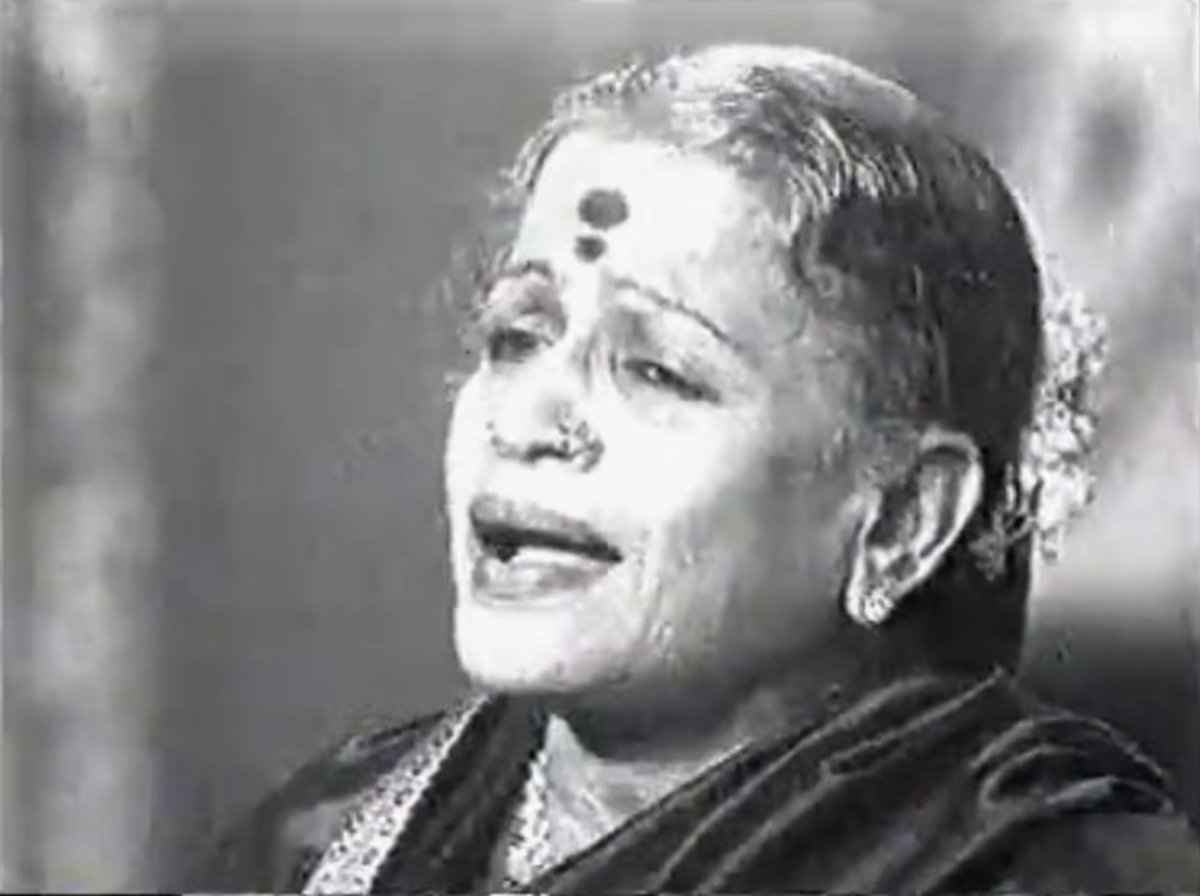
Some childhood experiences remain vivid long after the years have passed, not simply as memories but as moments that quietly shape the way we see the world. For Sreedhar Potarazu, one such experience began when he was around 10 years old, when the music of M. S. Subbulakshmi first left a lasting impression on him.
At that age, he could not fully explain why her voice affected him so deeply. He only knew that it sounded unlike anything he had heard before. Her singing appeared to move beyond melody and rhythm, creating an emotional connection that he would continue to carry into adulthood.
A year later, Potarazu attended an M. S. Subbulakshmi performance at Carnegie Hall with his parents. As an 11-year-old, he could not have understood the cultural and artistic significance of watching the legendary Carnatic vocalist perform at one of the world's most recognized concert venues.
Yet the memory remained remarkably clear. Decades later, he continues to recall that evening as one of the rare childhood experiences that never faded with time.
Trying to explain the appeal of Subbulakshmi's music, Potarazu says descriptions of her technical brilliance, command of Carnatic music and emotional expression do not fully capture the experience of listening to her. Her performances, he suggests, occupied a space where music could begin to resemble prayer.
The Sanskrit tradition of the Gandharvas, celestial beings associated with music, offers him another way of thinking about her extraordinary voice. To Potarazu, Subbulakshmi seemed to possess an unusual musical gift, but what made that gift especially meaningful was the humility and devotion with which she shared it.
Her music has also become part of his daily life. Each morning, he listens to her renditions of the Venkateswara Suprabhatam and Vishnu Sahasranamam before beginning the day's responsibilities. The familiar voice provides a moment of quiet reflection before the demands and distractions of everyday life take over.
For Potarazu, Subbulakshmi's significance therefore extends beyond her accomplishments as a musician. He describes her as embodying the connection between artistic excellence and spiritual devotion, comparing her presence to the qualities traditionally associated with Goddess Saraswati.
Years after first hearing her at Carnegie Hall, Potarazu had another deeply personal encounter with the singer when he visited her home in Chennai following the death of her husband, T. Sadasivam. The meeting gave him an opportunity to experience the person behind the legendary public career.
What stayed with him most from that visit was not a discussion about awards, performances or her place in music history. Instead, it was their conversation about bhakti, devotion and the poetry and music associated with Annamacharya.
During the conversation, Subbulakshmi reached for her books and began singing. There was no stage, audience or formal performance setting. She was simply at home, discussing devotion and allowing the music to emerge naturally.
For Potarazu, hearing that voice again in such an intimate setting was especially meaningful because it connected two distant moments in his life: the young boy listening to her at Carnegie Hall and the adult who had come to better understand the spiritual dimension of her music.
The encounter also reinforced an idea that some of life's most meaningful experiences cannot be completely explained through intellect or language. What may initially be experienced as beauty can acquire a deeper meaning with age, memory and perspective.
Potarazu reflects that the influence of a great individual cannot always be measured through awards, recordings, performances or public recognition. A more lasting measure may be found in the people touched by that person's work and in the memories and values that continue across generations.
He compares such influence to ripples created when a stone falls into still water. Although the original point of impact eventually disappears, the movement continues outward. In the same way, the influence of exceptional individuals can continue long after their physical presence is gone.
For Potarazu, M. S. Subbulakshmi represents such an enduring influence. Her legacy is not limited to her place in the history of Carnatic music, but also includes the emotional and spiritual connections her voice created among listeners around the world.
Her career also represented a connection between India's classical traditions and international audiences. She brought Carnatic music and devotional compositions to listeners far beyond India, demonstrating that music could communicate emotion even when audiences did not understand the language being sung.
That ability to transcend language may be one of the strongest aspects of her legacy. Listeners did not necessarily need to understand every word to recognize the devotion, emotion and serenity conveyed through her performances.
For Potarazu, the significance of her music has remained consistent even as his own understanding has changed. As a child, he experienced the beauty of her voice without having the words to describe it. As an adult, he came to appreciate more deeply the devotion that shaped her music.
Ultimately, his memories of M. S. Subbulakshmi point to a legacy that extends beyond musical achievement. Her recordings continue to accompany listeners, her devotional works remain part of daily spiritual practices, and her influence continues to connect generations with India's artistic and cultural traditions.
For those who experienced her music personally, that legacy can be deeply intimate. For Potarazu, it began with a childhood encounter at Carnegie Hall and continued decades later in her home in Chennai, leaving him with a lasting sense that some voices are remembered not merely because they were extraordinary, but because they made listeners feel something that words alone cannot express.
At that age, he could not fully explain why her voice affected him so deeply. He only knew that it sounded unlike anything he had heard before. Her singing appeared to move beyond melody and rhythm, creating an emotional connection that he would continue to carry into adulthood.
A year later, Potarazu attended an M. S. Subbulakshmi performance at Carnegie Hall with his parents. As an 11-year-old, he could not have understood the cultural and artistic significance of watching the legendary Carnatic vocalist perform at one of the world's most recognized concert venues.
Yet the memory remained remarkably clear. Decades later, he continues to recall that evening as one of the rare childhood experiences that never faded with time.
Trying to explain the appeal of Subbulakshmi's music, Potarazu says descriptions of her technical brilliance, command of Carnatic music and emotional expression do not fully capture the experience of listening to her. Her performances, he suggests, occupied a space where music could begin to resemble prayer.
The Sanskrit tradition of the Gandharvas, celestial beings associated with music, offers him another way of thinking about her extraordinary voice. To Potarazu, Subbulakshmi seemed to possess an unusual musical gift, but what made that gift especially meaningful was the humility and devotion with which she shared it.
Her music has also become part of his daily life. Each morning, he listens to her renditions of the Venkateswara Suprabhatam and Vishnu Sahasranamam before beginning the day's responsibilities. The familiar voice provides a moment of quiet reflection before the demands and distractions of everyday life take over.
For Potarazu, Subbulakshmi's significance therefore extends beyond her accomplishments as a musician. He describes her as embodying the connection between artistic excellence and spiritual devotion, comparing her presence to the qualities traditionally associated with Goddess Saraswati.
Years after first hearing her at Carnegie Hall, Potarazu had another deeply personal encounter with the singer when he visited her home in Chennai following the death of her husband, T. Sadasivam. The meeting gave him an opportunity to experience the person behind the legendary public career.
What stayed with him most from that visit was not a discussion about awards, performances or her place in music history. Instead, it was their conversation about bhakti, devotion and the poetry and music associated with Annamacharya.
During the conversation, Subbulakshmi reached for her books and began singing. There was no stage, audience or formal performance setting. She was simply at home, discussing devotion and allowing the music to emerge naturally.
For Potarazu, hearing that voice again in such an intimate setting was especially meaningful because it connected two distant moments in his life: the young boy listening to her at Carnegie Hall and the adult who had come to better understand the spiritual dimension of her music.
The encounter also reinforced an idea that some of life's most meaningful experiences cannot be completely explained through intellect or language. What may initially be experienced as beauty can acquire a deeper meaning with age, memory and perspective.
Potarazu reflects that the influence of a great individual cannot always be measured through awards, recordings, performances or public recognition. A more lasting measure may be found in the people touched by that person's work and in the memories and values that continue across generations.
He compares such influence to ripples created when a stone falls into still water. Although the original point of impact eventually disappears, the movement continues outward. In the same way, the influence of exceptional individuals can continue long after their physical presence is gone.
For Potarazu, M. S. Subbulakshmi represents such an enduring influence. Her legacy is not limited to her place in the history of Carnatic music, but also includes the emotional and spiritual connections her voice created among listeners around the world.
Her career also represented a connection between India's classical traditions and international audiences. She brought Carnatic music and devotional compositions to listeners far beyond India, demonstrating that music could communicate emotion even when audiences did not understand the language being sung.
That ability to transcend language may be one of the strongest aspects of her legacy. Listeners did not necessarily need to understand every word to recognize the devotion, emotion and serenity conveyed through her performances.
For Potarazu, the significance of her music has remained consistent even as his own understanding has changed. As a child, he experienced the beauty of her voice without having the words to describe it. As an adult, he came to appreciate more deeply the devotion that shaped her music.
Ultimately, his memories of M. S. Subbulakshmi point to a legacy that extends beyond musical achievement. Her recordings continue to accompany listeners, her devotional works remain part of daily spiritual practices, and her influence continues to connect generations with India's artistic and cultural traditions.
For those who experienced her music personally, that legacy can be deeply intimate. For Potarazu, it began with a childhood encounter at Carnegie Hall and continued decades later in her home in Chennai, leaving him with a lasting sense that some voices are remembered not merely because they were extraordinary, but because they made listeners feel something that words alone cannot express.
Tags
news
Comments (0)
Login to post comments
No comments yet
Be the first to share your thoughts about this post.