News
General
6 views
Silicon Valley AI data center boom faces local resistance over environmental concerns
Sep 18, 2026
📍 Phliadelphia,PA, USA
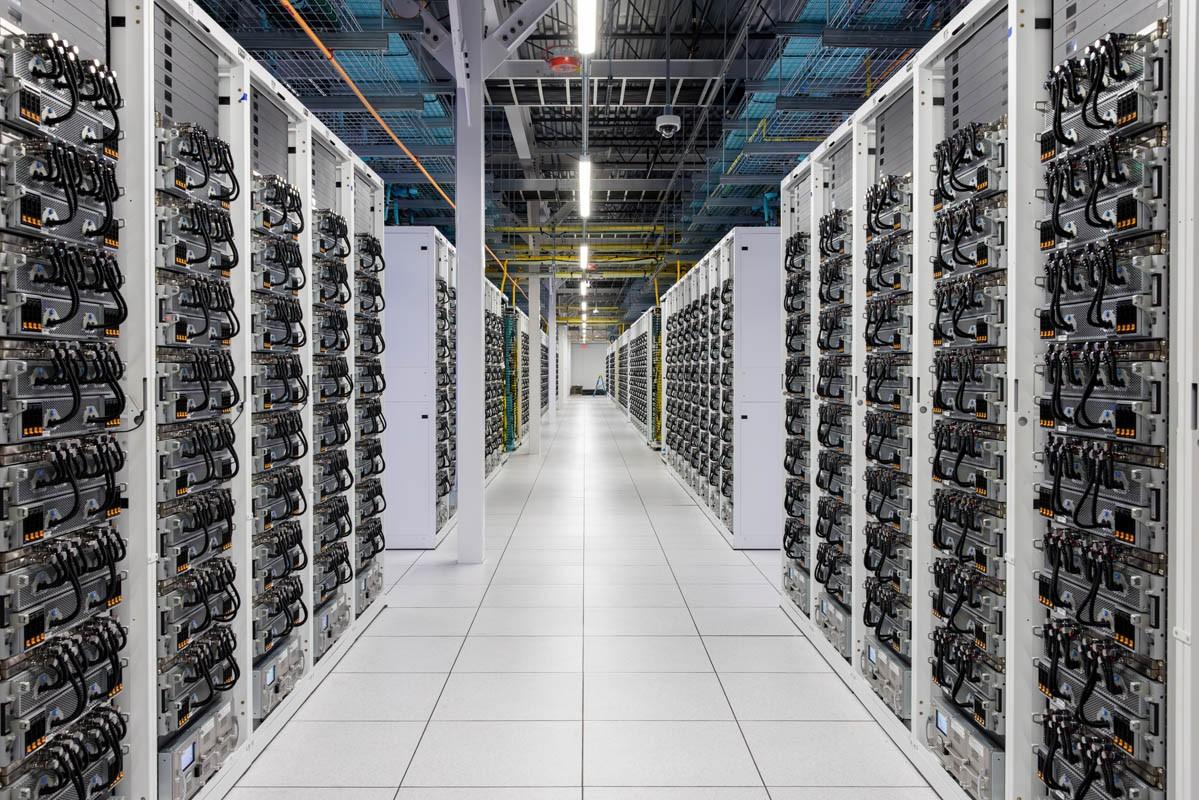
### San Jose Faces Growing Pushback as AI Data Center Expansion Raises Energy and Environmental Concerns
Silicon Valley’s rapid expansion of artificial intelligence infrastructure is increasingly drawing opposition from residents and environmental organizations concerned about the impact of large data centers on electricity demand, water resources and local pollution.
San Jose, California’s third-largest city, has positioned itself as a potential center for AI infrastructure and has encouraged new data center projects as technology companies expand their computing capacity.
However, community organizations are calling for closer examination of proposed facilities, arguing that the economic advantages of development should be weighed against the environmental and infrastructure pressures placed on the city.
The debate in San Jose reflects a wider issue emerging across the United States as communities attempt to accommodate the enormous computing requirements of modern AI systems.
California is particularly important to the discussion because the state is home to major technology and AI companies, including Google, Meta, OpenAI and Anthropic.
San Jose officials have pointed to the potential tax revenue generated by data centers as one reason to support additional development.
The city estimates that an individual new data center could generate between $3 million and $6 million in annual tax revenue.
Officials say such revenue could help support public services and infrastructure, including police and fire departments, libraries, roads and parks.
At the same time, residents and environmental advocates argue that financial benefits should not be considered separately from the demands these facilities place on electricity and water systems.
Community groups are seeking stronger public review of proposed projects, along with greater transparency regarding their expected energy and water consumption.
Some organizations are also calling for studies examining potential environmental and health impacts before additional facilities receive approval.
Ellina Yin, a leader of the grassroots I Love San Jose coalition, said residents want companies to provide clearer evidence of how their projects would benefit the surrounding community.
San Jose Mayor Matt Mahan has argued that the city should continue considering data center projects while ensuring that development takes place responsibly.
The mayor has also acknowledged questions from residents about electricity costs, water supplies and potential effects on quality of life.
Electricity consumption has become one of the most significant concerns surrounding the growth of AI data centers, which require substantial amounts of power to operate advanced computing equipment.
California lawmakers have responded with measures addressing data center development, including proposals involving grid costs and greater disclosure of energy and water use.
Pacific Gas and Electric has argued that large new electricity customers could help spread fixed grid costs among a larger customer base, potentially benefiting electricity customers.
Air pollution is another area attracting attention, particularly because data centers commonly maintain diesel-powered backup generators to provide electricity during outages.
In April, a coalition led by the Center for Biological Diversity petitioned the Bay Area Air Quality Management District to strengthen oversight of emissions from backup generators used by data centers.
The coalition argued that existing regulations w
Silicon Valley’s rapid expansion of artificial intelligence infrastructure is increasingly drawing opposition from residents and environmental organizations concerned about the impact of large data centers on electricity demand, water resources and local pollution.
San Jose, California’s third-largest city, has positioned itself as a potential center for AI infrastructure and has encouraged new data center projects as technology companies expand their computing capacity.
However, community organizations are calling for closer examination of proposed facilities, arguing that the economic advantages of development should be weighed against the environmental and infrastructure pressures placed on the city.
The debate in San Jose reflects a wider issue emerging across the United States as communities attempt to accommodate the enormous computing requirements of modern AI systems.
California is particularly important to the discussion because the state is home to major technology and AI companies, including Google, Meta, OpenAI and Anthropic.
San Jose officials have pointed to the potential tax revenue generated by data centers as one reason to support additional development.
The city estimates that an individual new data center could generate between $3 million and $6 million in annual tax revenue.
Officials say such revenue could help support public services and infrastructure, including police and fire departments, libraries, roads and parks.
At the same time, residents and environmental advocates argue that financial benefits should not be considered separately from the demands these facilities place on electricity and water systems.
Community groups are seeking stronger public review of proposed projects, along with greater transparency regarding their expected energy and water consumption.
Some organizations are also calling for studies examining potential environmental and health impacts before additional facilities receive approval.
Ellina Yin, a leader of the grassroots I Love San Jose coalition, said residents want companies to provide clearer evidence of how their projects would benefit the surrounding community.
San Jose Mayor Matt Mahan has argued that the city should continue considering data center projects while ensuring that development takes place responsibly.
The mayor has also acknowledged questions from residents about electricity costs, water supplies and potential effects on quality of life.
Electricity consumption has become one of the most significant concerns surrounding the growth of AI data centers, which require substantial amounts of power to operate advanced computing equipment.
California lawmakers have responded with measures addressing data center development, including proposals involving grid costs and greater disclosure of energy and water use.
Pacific Gas and Electric has argued that large new electricity customers could help spread fixed grid costs among a larger customer base, potentially benefiting electricity customers.
Air pollution is another area attracting attention, particularly because data centers commonly maintain diesel-powered backup generators to provide electricity during outages.
In April, a coalition led by the Center for Biological Diversity petitioned the Bay Area Air Quality Management District to strengthen oversight of emissions from backup generators used by data centers.
The coalition argued that existing regulations w
Tags
news
Comments (0)
Login to post comments
No comments yet
Be the first to share your thoughts about this post.