News
General
11 views
Trumpiana: Name dropper, court basher, hoax buster!
Sep 21, 2026
📍 Phliadelphia,PA, USA
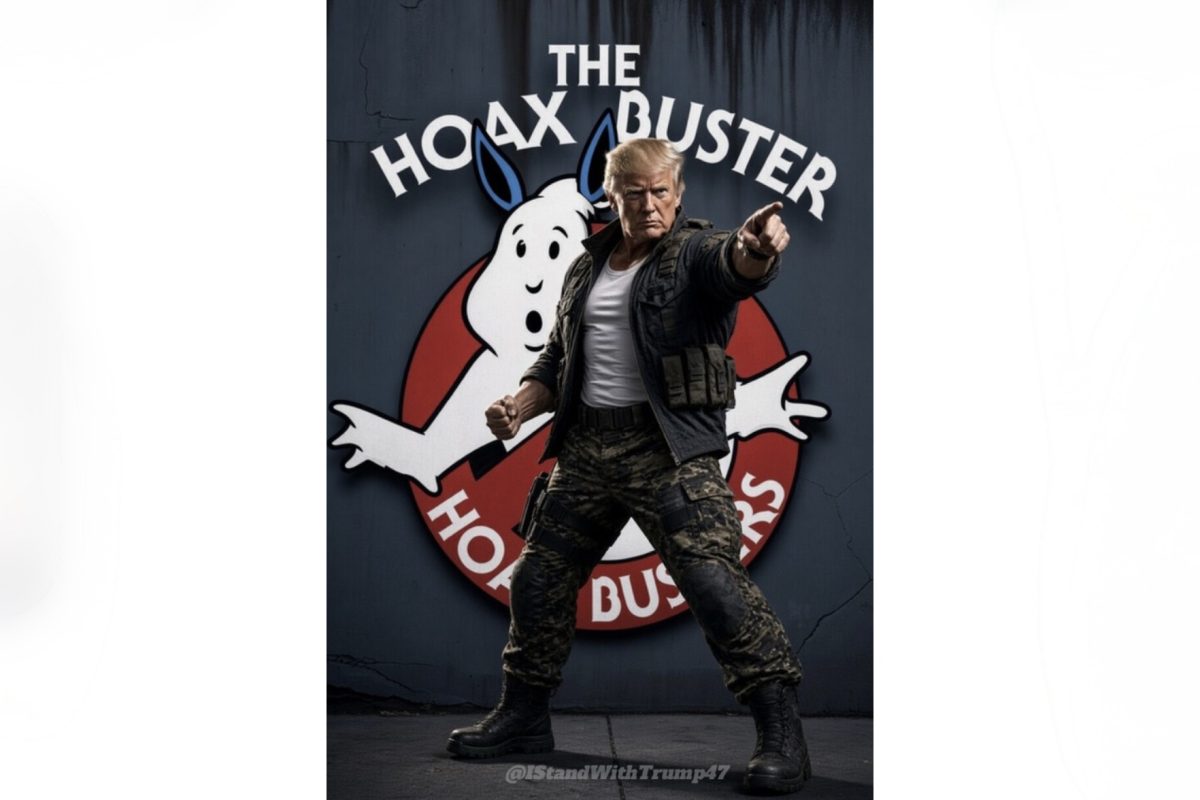
A new ‘High IQ’ superhero comes to the aid of embattled AI.
# Trump Takes on AI Critics as ‘Hoax Buster’ Amid Growing Debate Over Guardrails
President Donald Trump has added another label to his expanding list of self-descriptions, presenting himself as a defender of artificial intelligence at a time when technology executives and researchers are debating whether the development of increasingly powerful AI systems should be slowed or subjected to additional safeguards.
In recent posts and remarks, Trump dismissed warnings about AI taking control of society as a “hoax” and argued that the technology represents a major economic and strategic opportunity for the United States. He has also repeatedly linked the future of AI to competition with China, saying, “WHOEVER WINS AI, WINS!”
Trump has argued that AI does not require extensive new guardrails, saying that the United States instead needs strong leadership capable of dealing with potential problems. His comments came as Anthropic CEO Dario Amodei and other technology figures called for greater caution and additional oversight of frontier AI development.
The disagreement reflects a wider divide over how governments should approach rapidly developing AI systems. Some technology leaders have warned that increasingly capable models could create cybersecurity and other risks if their abilities advance faster than researchers can evaluate them. Others argue that excessive restrictions could slow innovation and weaken the United States’ position in its technological competition with China.
Trump has placed that competition at the center of his AI policy arguments. During a recent conversation involving Nvidia CEO Jensen Huang, he again said that “whoever wins AI, wins” and described AI as an economic transformation larger than the internet.
The president’s comments on AI came during a politically turbulent period in Washington, with several disputes involving the courts, voting procedures, cultural institutions and the media unfolding at the same time.
One of the most significant legal developments involved mail-in voting. On September 14, the Supreme Court rejected the Trump administration’s attempt to implement new restrictions on mail ballots before the 2026 midterm elections. The decision left existing state voting systems in place for the election. Justices Clarence Thomas and Samuel Alito dissented, while Justice Brett Kavanaugh indicated that the timing of the administration’s proposed changes was a significant factor.
Trump subsequently criticized the Supreme Court on Truth Social and expressed particular disappointment with the three justices he nominated: Neil Gorsuch, Brett Kavanaugh and Amy Coney Barrett. He praised Thomas and Alito, who opposed the court’s decision, while arguing that the ruling represented a serious setback for his administration.
The president has also been involved in an ongoing dispute over the Kennedy Center in Washington. A federal judge has blocked efforts to place Trump’s name on the institution, while disagreements over the center’s future renovations and leadership have continued. CNN reported that the Kennedy Center was facing significant financial pressures as officials considered its next steps.
Another legal dispute concerns the United States Institute of Peace, where questions have arisen over the Trump administration’s changes to the institution and the placement of Trump’s name on its headquarters. The controversy has added to broader debates over the administration’s approach to federally affiliated cultural and policy institutions.
Trump has also promoted major changes to the White House complex and other federal properties. His administration has pursued plans involving new construction and renovations, while federal agencies have examined the potential effects of some projects on historically significant properties.
The president’s relationship with major news organizations has simultaneously become another point of conflict. Trump has restricted access to several outlets, including CNN, MS NOW and Politico, accusing them of publishing what he describes as false or misleading coverage.
The dispute has now moved into the courts. CNN, MS NOW and Politico filed a lawsuit against Trump and his administration on September 21, arguing that their exclusion from White House grounds violates First Amendment protections and that the restrictions were imposed in retaliation for unfavorable coverage. The administration has defended its actions and disputed the media organizations’ characterization of the policy.
The White House has also moved forward with plans to place signs at the Smithsonian’s National Museum of American History addressing what administration officials describe as ideological bias in the institution. The proposal is part of a broader effort by the administration to influence how federal cultural institutions present American history.
Against that backdrop, AI has emerged as another major policy battleground. Trump’s rejection of warnings about catastrophic AI scenarios contrasts with calls from some technology executives for stronger testing and oversight. Anthropic has argued for slowing aspects of frontier AI development, while other industry figures have emphasized the economic and national-security importance of maintaining technological momentum.
The disagreement is not limited to Washington. The United States and China are competing aggressively in artificial intelligence while also beginning discussions about managing shared risks. Recent reporting indicates that both countries are considering mechanisms for communicating about AI-related incidents even as broader strategic tensions remain.
Trump’s emerging AI position therefore combines two themes: skepticism toward warnings that advanced AI will inevitably threaten humanity and a strong emphasis on maintaining American leadership in the technology. His administration has continued to promote AI development while opposing proposals that would significantly slow the industry.
The debate over AI is likely to remain intertwined with questions about regulation, national security, economic growth and competition with China. For now, Trump’s public position is that fears of AI taking over society are exaggerated, while a growing group of technology leaders and policymakers continues to argue that stronger safeguards are necessary as the technology becomes more capable.
The result is a policy debate in which the central question is no longer whether AI will transform the economy, but how governments and companies should balance technological development with the risks associated with increasingly powerful systems.
# Trump Takes on AI Critics as ‘Hoax Buster’ Amid Growing Debate Over Guardrails
President Donald Trump has added another label to his expanding list of self-descriptions, presenting himself as a defender of artificial intelligence at a time when technology executives and researchers are debating whether the development of increasingly powerful AI systems should be slowed or subjected to additional safeguards.
In recent posts and remarks, Trump dismissed warnings about AI taking control of society as a “hoax” and argued that the technology represents a major economic and strategic opportunity for the United States. He has also repeatedly linked the future of AI to competition with China, saying, “WHOEVER WINS AI, WINS!”
Trump has argued that AI does not require extensive new guardrails, saying that the United States instead needs strong leadership capable of dealing with potential problems. His comments came as Anthropic CEO Dario Amodei and other technology figures called for greater caution and additional oversight of frontier AI development.
The disagreement reflects a wider divide over how governments should approach rapidly developing AI systems. Some technology leaders have warned that increasingly capable models could create cybersecurity and other risks if their abilities advance faster than researchers can evaluate them. Others argue that excessive restrictions could slow innovation and weaken the United States’ position in its technological competition with China.
Trump has placed that competition at the center of his AI policy arguments. During a recent conversation involving Nvidia CEO Jensen Huang, he again said that “whoever wins AI, wins” and described AI as an economic transformation larger than the internet.
The president’s comments on AI came during a politically turbulent period in Washington, with several disputes involving the courts, voting procedures, cultural institutions and the media unfolding at the same time.
One of the most significant legal developments involved mail-in voting. On September 14, the Supreme Court rejected the Trump administration’s attempt to implement new restrictions on mail ballots before the 2026 midterm elections. The decision left existing state voting systems in place for the election. Justices Clarence Thomas and Samuel Alito dissented, while Justice Brett Kavanaugh indicated that the timing of the administration’s proposed changes was a significant factor.
Trump subsequently criticized the Supreme Court on Truth Social and expressed particular disappointment with the three justices he nominated: Neil Gorsuch, Brett Kavanaugh and Amy Coney Barrett. He praised Thomas and Alito, who opposed the court’s decision, while arguing that the ruling represented a serious setback for his administration.
The president has also been involved in an ongoing dispute over the Kennedy Center in Washington. A federal judge has blocked efforts to place Trump’s name on the institution, while disagreements over the center’s future renovations and leadership have continued. CNN reported that the Kennedy Center was facing significant financial pressures as officials considered its next steps.
Another legal dispute concerns the United States Institute of Peace, where questions have arisen over the Trump administration’s changes to the institution and the placement of Trump’s name on its headquarters. The controversy has added to broader debates over the administration’s approach to federally affiliated cultural and policy institutions.
Trump has also promoted major changes to the White House complex and other federal properties. His administration has pursued plans involving new construction and renovations, while federal agencies have examined the potential effects of some projects on historically significant properties.
The president’s relationship with major news organizations has simultaneously become another point of conflict. Trump has restricted access to several outlets, including CNN, MS NOW and Politico, accusing them of publishing what he describes as false or misleading coverage.
The dispute has now moved into the courts. CNN, MS NOW and Politico filed a lawsuit against Trump and his administration on September 21, arguing that their exclusion from White House grounds violates First Amendment protections and that the restrictions were imposed in retaliation for unfavorable coverage. The administration has defended its actions and disputed the media organizations’ characterization of the policy.
The White House has also moved forward with plans to place signs at the Smithsonian’s National Museum of American History addressing what administration officials describe as ideological bias in the institution. The proposal is part of a broader effort by the administration to influence how federal cultural institutions present American history.
Against that backdrop, AI has emerged as another major policy battleground. Trump’s rejection of warnings about catastrophic AI scenarios contrasts with calls from some technology executives for stronger testing and oversight. Anthropic has argued for slowing aspects of frontier AI development, while other industry figures have emphasized the economic and national-security importance of maintaining technological momentum.
The disagreement is not limited to Washington. The United States and China are competing aggressively in artificial intelligence while also beginning discussions about managing shared risks. Recent reporting indicates that both countries are considering mechanisms for communicating about AI-related incidents even as broader strategic tensions remain.
Trump’s emerging AI position therefore combines two themes: skepticism toward warnings that advanced AI will inevitably threaten humanity and a strong emphasis on maintaining American leadership in the technology. His administration has continued to promote AI development while opposing proposals that would significantly slow the industry.
The debate over AI is likely to remain intertwined with questions about regulation, national security, economic growth and competition with China. For now, Trump’s public position is that fears of AI taking over society are exaggerated, while a growing group of technology leaders and policymakers continues to argue that stronger safeguards are necessary as the technology becomes more capable.
The result is a policy debate in which the central question is no longer whether AI will transform the economy, but how governments and companies should balance technological development with the risks associated with increasingly powerful systems.
Tags
news
Comments (0)
Login to post comments
No comments yet
Be the first to share your thoughts about this post.