News
General
3 views
Quicklly expands online Indian grocery marketplace across US
Sep 28, 2026
📍 Phliadelphia,PA, USA
### Quicklly Brings Indian and South Asian Grocery Shopping Online for U.S. Consumers
For many Indian Americans, grocery shopping is closely connected to food traditions, family habits and memories of home. Finding the right brand of atta, a regional spice blend, curry leaves, sweets or familiar snacks can be as important as buying everyday household staples.
As South Asian communities continue to expand across the United States, online grocery platforms are attempting to make those specialty products easier to find and order. Chicago-based Quicklly is among the companies building a digital marketplace around Indian and South Asian food and grocery businesses.
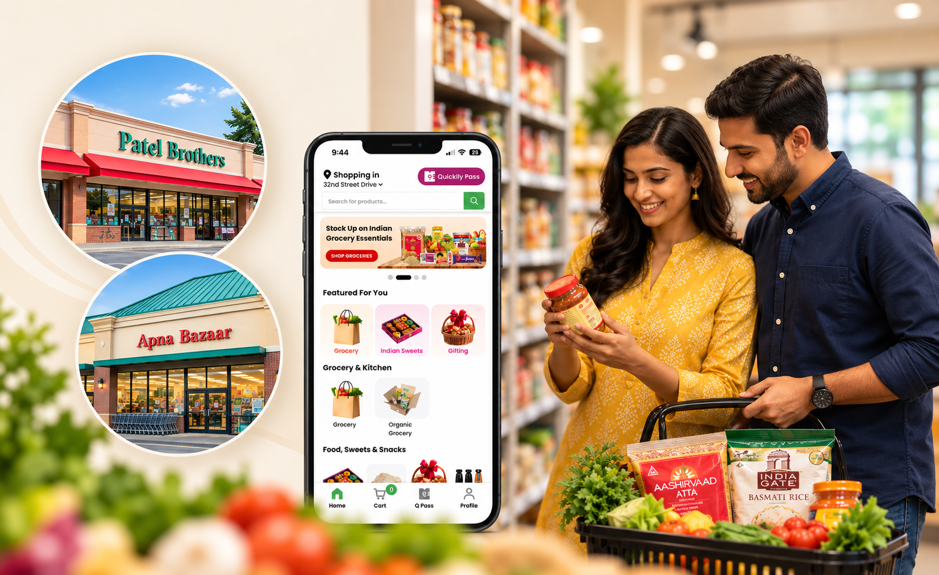
Quicklly connects consumers with local Indian and South Asian grocery stores, food businesses and prepared-food providers. Through its marketplace, customers can browse products and place orders online, while its Quicklly Go service offers delivery within three hours or less at participating locations.
The platform's approach reflects the wide variety of products sought by South Asian consumers in the U.S. A typical household order may include basmati rice, atta, lentils, spices, cooking oils and frozen foods, but shoppers often have more specific requirements based on their regional backgrounds.
For example, a South Indian household may search for dosa batter, sambar powder, coconut products and regional snacks. Bengali shoppers may look for mustard oil, sweets and specialty ingredients, while Gujarati consumers may seek farsan, thepla ingredients, pickles and other familiar foods.
That diversity creates a challenge for online grocery platforms. Searching for an "Indian grocery store" does not necessarily tell a customer whether a particular retailer carries the brand, regional ingredient or specialty food they need.
### Bringing Local Grocery Stores Online
Quicklly's business model centers on existing local retailers rather than operating solely as a separate grocery inventory. The company provides participating stores with an online marketplace where customers can discover products and place orders.
The platform also connects participating retailers with delivery services, giving neighborhood stores additional ways to reach customers beyond traditional in-store shopping.
Quicklly was founded in Chicago in 2020 with a focus on making South Asian food and groceries more accessible. The company says it developed its e-commerce network between 2021 and 2023 and partnered with more than 400 multicultural grocery stores across the United States.
The company expanded into consumer packaged goods in 2023 through Just By Quicklly. Between 2024 and 2026, it also integrated its marketplace with major delivery platforms including Instacart, DoorDash, Uber Eats and Grubhub, according to the company.
In 2026, Quicklly introduced Quicklly Go, offering delivery in three hours or less at participating U.S. locations. The service is designed to connect online ordering with inventory available through local stores.
For consumers, that can reduce the need to make a separate trip to a neighborhood Indian grocery store for specialty products while still allowing local retailers to remain part of the shopping process.
### From Everyday Staples to Regional Foods
The Indian grocery market in the U.S. has evolved alongside the country's increasingly diverse South Asian population. Consumers may purchase common staples such as basmati rice, atta, toor dal, moong dal, cooking oils, spices, pickles, frozen parathas, namkeen and sweets.
Brand preferences can also influence shopping decisions, with products from companies such as Aashirvaad, India Gate, MDH, Everest, Haldiram's, Shan and MTR appearing in many Indian American households.
But the demand extends well beyond widely recognized brands. Regional cuisines require ingredients and prepared foods that may not be stocked by mainstream supermarkets or even every Indian grocery store.
Quicklly says its marketplace includes everyday groceries alongside regional products, Indian sweets and snacks, meal kits, roti kits, tea and coffee, gifting products, catering and prepared foods.
The range highlights one of the central challenges of Indian grocery e-commerce: convenience must be paired with selection. Customers who shop online may still expect the breadth and regional variety they would find when visiting a neighborhood specialty store.
### Digital Grocery Shopping and Indian American Communities
The growth of online grocery platforms does not necessarily replace physical Indian grocery stores. Neighborhood retailers continue to provide customers with regional products, personal service and familiarity with local food preferences.
Digital marketplaces can instead provide those businesses with another way to reach customers. By putting local store inventories and specialty products online, platforms such as Quicklly can help retailers extend their reach beyond walk-in shoppers.
For Indian American consumers, the shift also changes how specialty groceries can be discovered. Products that once required a trip across town may increasingly be searchable and orderable through digital platforms, depending on local availability.
The trend reflects the changing geography of Indian American communities as families establish themselves in cities and suburbs across the country while continuing to maintain regional food traditions.
For the online Indian grocery sector, the opportunity may therefore lie less in replacing neighborhood stores and more in connecting them with customers through digital channels. That combination could make regional Indian and South Asian foods easier to discover while giving local specialty retailers another way to remain connected to the communities they serve.
For many Indian Americans, grocery shopping is closely connected to food traditions, family habits and memories of home. Finding the right brand of atta, a regional spice blend, curry leaves, sweets or familiar snacks can be as important as buying everyday household staples.
As South Asian communities continue to expand across the United States, online grocery platforms are attempting to make those specialty products easier to find and order. Chicago-based Quicklly is among the companies building a digital marketplace around Indian and South Asian food and grocery businesses.
Quicklly connects consumers with local Indian and South Asian grocery stores, food businesses and prepared-food providers. Through its marketplace, customers can browse products and place orders online, while its Quicklly Go service offers delivery within three hours or less at participating locations.
The platform's approach reflects the wide variety of products sought by South Asian consumers in the U.S. A typical household order may include basmati rice, atta, lentils, spices, cooking oils and frozen foods, but shoppers often have more specific requirements based on their regional backgrounds.
For example, a South Indian household may search for dosa batter, sambar powder, coconut products and regional snacks. Bengali shoppers may look for mustard oil, sweets and specialty ingredients, while Gujarati consumers may seek farsan, thepla ingredients, pickles and other familiar foods.
That diversity creates a challenge for online grocery platforms. Searching for an "Indian grocery store" does not necessarily tell a customer whether a particular retailer carries the brand, regional ingredient or specialty food they need.
### Bringing Local Grocery Stores Online
Quicklly's business model centers on existing local retailers rather than operating solely as a separate grocery inventory. The company provides participating stores with an online marketplace where customers can discover products and place orders.
The platform also connects participating retailers with delivery services, giving neighborhood stores additional ways to reach customers beyond traditional in-store shopping.
Quicklly was founded in Chicago in 2020 with a focus on making South Asian food and groceries more accessible. The company says it developed its e-commerce network between 2021 and 2023 and partnered with more than 400 multicultural grocery stores across the United States.
The company expanded into consumer packaged goods in 2023 through Just By Quicklly. Between 2024 and 2026, it also integrated its marketplace with major delivery platforms including Instacart, DoorDash, Uber Eats and Grubhub, according to the company.
In 2026, Quicklly introduced Quicklly Go, offering delivery in three hours or less at participating U.S. locations. The service is designed to connect online ordering with inventory available through local stores.
For consumers, that can reduce the need to make a separate trip to a neighborhood Indian grocery store for specialty products while still allowing local retailers to remain part of the shopping process.
### From Everyday Staples to Regional Foods
The Indian grocery market in the U.S. has evolved alongside the country's increasingly diverse South Asian population. Consumers may purchase common staples such as basmati rice, atta, toor dal, moong dal, cooking oils, spices, pickles, frozen parathas, namkeen and sweets.
Brand preferences can also influence shopping decisions, with products from companies such as Aashirvaad, India Gate, MDH, Everest, Haldiram's, Shan and MTR appearing in many Indian American households.
But the demand extends well beyond widely recognized brands. Regional cuisines require ingredients and prepared foods that may not be stocked by mainstream supermarkets or even every Indian grocery store.
Quicklly says its marketplace includes everyday groceries alongside regional products, Indian sweets and snacks, meal kits, roti kits, tea and coffee, gifting products, catering and prepared foods.
The range highlights one of the central challenges of Indian grocery e-commerce: convenience must be paired with selection. Customers who shop online may still expect the breadth and regional variety they would find when visiting a neighborhood specialty store.
### Digital Grocery Shopping and Indian American Communities
The growth of online grocery platforms does not necessarily replace physical Indian grocery stores. Neighborhood retailers continue to provide customers with regional products, personal service and familiarity with local food preferences.
Digital marketplaces can instead provide those businesses with another way to reach customers. By putting local store inventories and specialty products online, platforms such as Quicklly can help retailers extend their reach beyond walk-in shoppers.
For Indian American consumers, the shift also changes how specialty groceries can be discovered. Products that once required a trip across town may increasingly be searchable and orderable through digital platforms, depending on local availability.
The trend reflects the changing geography of Indian American communities as families establish themselves in cities and suburbs across the country while continuing to maintain regional food traditions.
For the online Indian grocery sector, the opportunity may therefore lie less in replacing neighborhood stores and more in connecting them with customers through digital channels. That combination could make regional Indian and South Asian foods easier to discover while giving local specialty retailers another way to remain connected to the communities they serve.
Tags
news
Comments (0)
Login to post comments
No comments yet
Be the first to share your thoughts about this post.