News
Immigration
⭐ Featured
109 views
Anti-H-1B activists amplify EEOC chair’s hiring bias warning
May 11, 2026
📍 Philadelphia, PA, USA
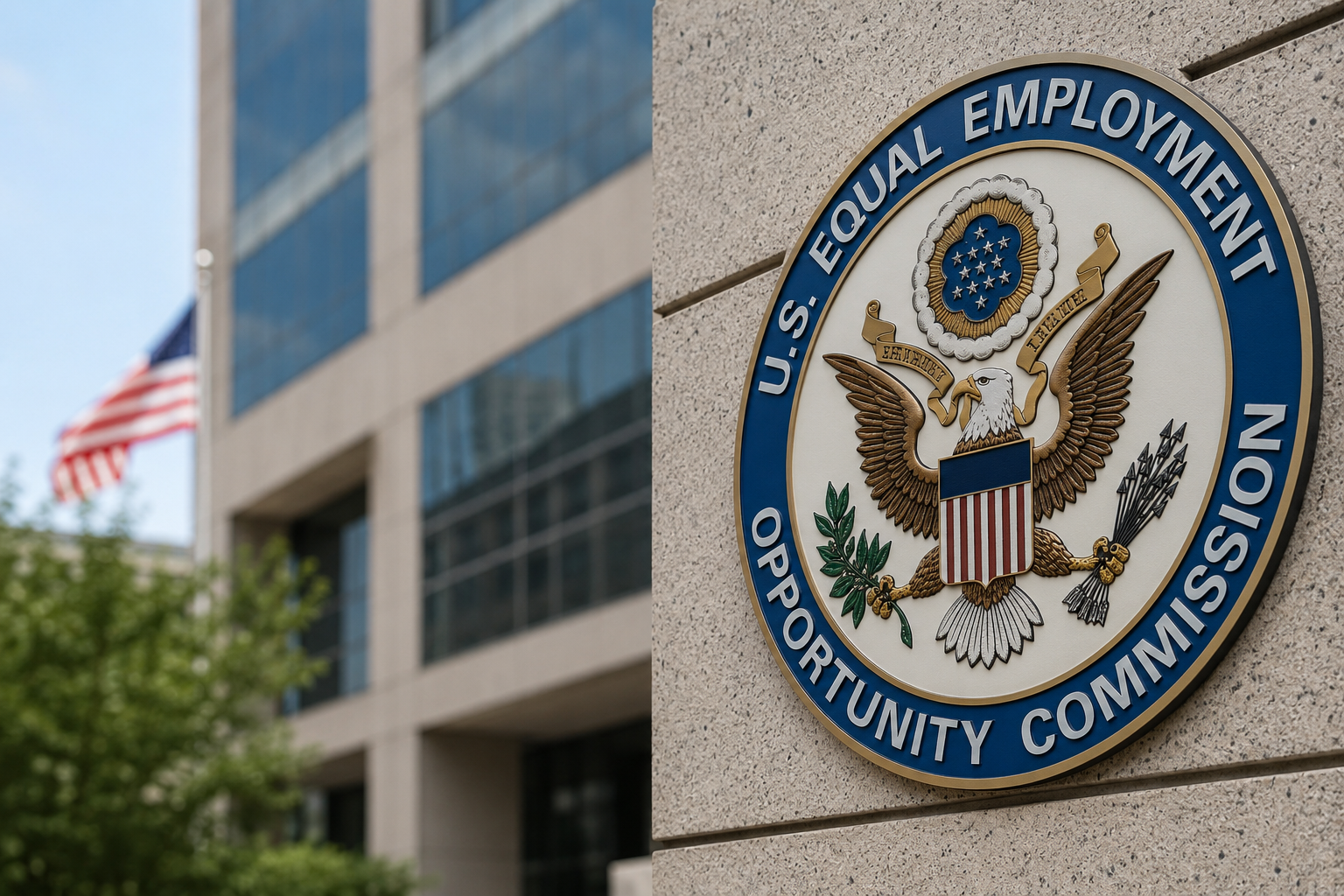
💼🇺🇸 Growing backlash against the H-1B visa program is once again fueling nationwide debates over **American jobs, foreign skilled workers, tech industry hiring practices, immigration reform, and the future of the U.S. workforce** as anti-H-1B activists intensify criticism across social media platforms.
The controversy gained renewed momentum after online groups and activists resurfaced past remarks from Andrea R. Lucas regarding hiring discrimination and the impact of employment-based visa programs on American workers. Viral posts claimed the H-1B system functions as a pipeline for “cheap foreign labor,” arguing that companies prioritize lower labor costs over hiring U.S. graduates and domestic workers. These sentiments have become increasingly common among conservative immigration critics and labor-focused online communities.
Supporters of stricter immigration policies are now pushing for major reforms, including replacing the current H-1B lottery system with wage-based selection processes or significantly reducing the number of employment-based visas issued each year. Republican lawmakers have also introduced proposals aimed at freezing or limiting H-1B approvals, reflecting growing political pressure around high-skilled immigration policies.
At the same time, business leaders, universities, and technology companies continue defending the visa program, arguing that global talent remains critical for innovation, artificial intelligence, engineering, healthcare, semiconductor development, and scientific research. Major corporations such as [Microsoft](https://www.microsoft.com?utm_source=chatgpt.com), [Google](https://www.google.com?utm_source=chatgpt.com), and [Amazon](https://www.amazon.com?utm_source=chatgpt.com) rely heavily on highly skilled international workers for technical and research-driven roles. Critics of restrictions warn that aggressive cuts to H-1B programs could weaken America’s global competitiveness in emerging technologies and innovation-focused industries. 🌍💻
The controversy gained renewed momentum after online groups and activists resurfaced past remarks from Andrea R. Lucas regarding hiring discrimination and the impact of employment-based visa programs on American workers. Viral posts claimed the H-1B system functions as a pipeline for “cheap foreign labor,” arguing that companies prioritize lower labor costs over hiring U.S. graduates and domestic workers. These sentiments have become increasingly common among conservative immigration critics and labor-focused online communities.
Supporters of stricter immigration policies are now pushing for major reforms, including replacing the current H-1B lottery system with wage-based selection processes or significantly reducing the number of employment-based visas issued each year. Republican lawmakers have also introduced proposals aimed at freezing or limiting H-1B approvals, reflecting growing political pressure around high-skilled immigration policies.
At the same time, business leaders, universities, and technology companies continue defending the visa program, arguing that global talent remains critical for innovation, artificial intelligence, engineering, healthcare, semiconductor development, and scientific research. Major corporations such as [Microsoft](https://www.microsoft.com?utm_source=chatgpt.com), [Google](https://www.google.com?utm_source=chatgpt.com), and [Amazon](https://www.amazon.com?utm_source=chatgpt.com) rely heavily on highly skilled international workers for technical and research-driven roles. Critics of restrictions warn that aggressive cuts to H-1B programs could weaken America’s global competitiveness in emerging technologies and innovation-focused industries. 🌍💻
Tags
news
Comments (0)
Login to post comments
No comments yet
Be the first to share your thoughts about this post.