News
General
⭐ Featured
83 views
When power begins to sounds like destiny
May 12, 2026
📍 Philadelphia, PA, USA
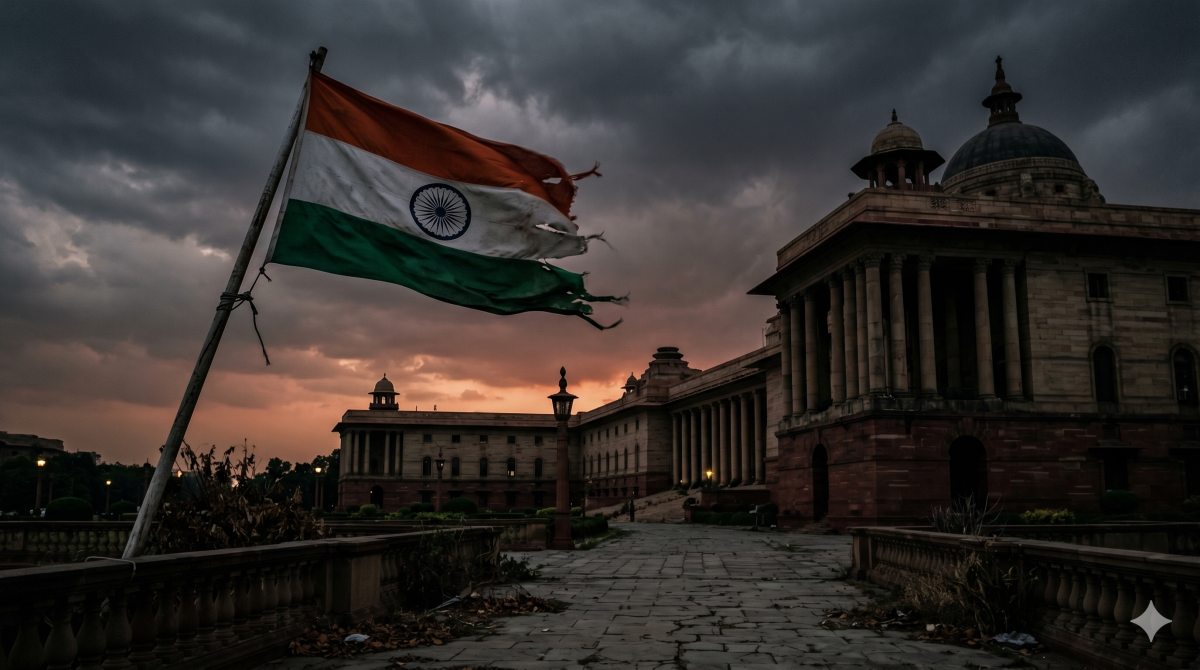
The article presents a sharp critique of the growing belief among sections of India’s intellectual and political establishment that the country is simply entering a new era of national consolidation under the dominance of the Bharatiya Janata Party. According to the essay, many commentators now frame the party’s continued electoral success as the inevitable outcome of historical, cultural, and civilizational forces that were supposedly suppressed for decades by secular politics, caste coalitions, and regional fragmentation. The author argues that this interpretation is deeply dangerous because it risks normalizing democratic erosion under the language of national renewal and political inevitability.
The piece stresses that the central concern is not merely the rise of one powerful political party, since democracies throughout history have often produced dominant political movements. Instead, the article argues that the real crisis emerges when electoral power begins to weaken the institutional safeguards meant to prevent democratic majoritarianism from turning into permanent political supremacy. It points to growing concerns over the functioning of constitutional institutions, including investigative agencies, governors, the Election Commission, Parliament, universities, and large sections of the media, which critics say increasingly appear aligned with the ideological interests of the ruling establishment.
According to the essay, modern democratic decline rarely happens through dramatic authoritarian takeovers. Rather, it unfolds gradually through legal, procedural, and institutional normalization. Elections continue, courts still operate, and media outlets remain active, but the overall democratic ecosystem slowly becomes structurally unequal. The article warns that such erosion can occur while maintaining the outward rituals of democracy, making it harder for citizens to recognize the scale of institutional change taking place around them.
A major theme in the article is the distinction between religion and political majoritarianism. The author argues that India has always been a deeply religious society, but its constitutional framework was intentionally designed to prevent any single religious identity from becoming the organizing principle of citizenship. The concern raised is not about faith itself, but about the transformation of religion into a political framework through which national belonging and loyalty are increasingly defined. The article suggests that such shifts can place minorities into a more conditional relationship with citizenship and public acceptance.
The essay also highlights how political polarization and Hindu-Muslim tensions have become deeply embedded within the broader political atmosphere. According to the author, polarization is not simply a side effect of electoral competition but has become a central mechanism for political consolidation. Social media ecosystems, television debates, and historical grievance narratives are described as contributing to a climate where dissent is increasingly viewed as cultural disloyalty rather than democratic disagreement.
At the same time, the article acknowledges that many opposition parties contributed to the current political vacuum through corruption, dynastic politics, weak governance, and public disillusionment. However, the author argues that dissatisfaction with older political systems does not justify the weakening of constitutional restraints or democratic norms by newer political forces.
One of the essay’s strongest warnings is directed toward sections of the intellectual class who increasingly describe current political trends with admiration for organizational discipline, ideological clarity, and electoral dominance while overlooking the moral and constitutional implications of concentrated power. The author argues that once democratic societies begin treating ideological supremacy as historically inevitable, resistance weakens and constitutional morality slowly gives way to political resignation.
Ultimately, the article frames the current moment as larger than any single election or political leader. It argues that the deeper danger lies in citizens gradually accepting the idea that constitutional balance, institutional independence, and democratic restraint are negotiable so long as political dominance appears efficient, popular, or historically successful. According to the essay, that is how democracies risk losing their constitutional soul while still preserving the appearance of democratic process.
The piece stresses that the central concern is not merely the rise of one powerful political party, since democracies throughout history have often produced dominant political movements. Instead, the article argues that the real crisis emerges when electoral power begins to weaken the institutional safeguards meant to prevent democratic majoritarianism from turning into permanent political supremacy. It points to growing concerns over the functioning of constitutional institutions, including investigative agencies, governors, the Election Commission, Parliament, universities, and large sections of the media, which critics say increasingly appear aligned with the ideological interests of the ruling establishment.
According to the essay, modern democratic decline rarely happens through dramatic authoritarian takeovers. Rather, it unfolds gradually through legal, procedural, and institutional normalization. Elections continue, courts still operate, and media outlets remain active, but the overall democratic ecosystem slowly becomes structurally unequal. The article warns that such erosion can occur while maintaining the outward rituals of democracy, making it harder for citizens to recognize the scale of institutional change taking place around them.
A major theme in the article is the distinction between religion and political majoritarianism. The author argues that India has always been a deeply religious society, but its constitutional framework was intentionally designed to prevent any single religious identity from becoming the organizing principle of citizenship. The concern raised is not about faith itself, but about the transformation of religion into a political framework through which national belonging and loyalty are increasingly defined. The article suggests that such shifts can place minorities into a more conditional relationship with citizenship and public acceptance.
The essay also highlights how political polarization and Hindu-Muslim tensions have become deeply embedded within the broader political atmosphere. According to the author, polarization is not simply a side effect of electoral competition but has become a central mechanism for political consolidation. Social media ecosystems, television debates, and historical grievance narratives are described as contributing to a climate where dissent is increasingly viewed as cultural disloyalty rather than democratic disagreement.
At the same time, the article acknowledges that many opposition parties contributed to the current political vacuum through corruption, dynastic politics, weak governance, and public disillusionment. However, the author argues that dissatisfaction with older political systems does not justify the weakening of constitutional restraints or democratic norms by newer political forces.
One of the essay’s strongest warnings is directed toward sections of the intellectual class who increasingly describe current political trends with admiration for organizational discipline, ideological clarity, and electoral dominance while overlooking the moral and constitutional implications of concentrated power. The author argues that once democratic societies begin treating ideological supremacy as historically inevitable, resistance weakens and constitutional morality slowly gives way to political resignation.
Ultimately, the article frames the current moment as larger than any single election or political leader. It argues that the deeper danger lies in citizens gradually accepting the idea that constitutional balance, institutional independence, and democratic restraint are negotiable so long as political dominance appears efficient, popular, or historically successful. According to the essay, that is how democracies risk losing their constitutional soul while still preserving the appearance of democratic process.
Tags
news
Comments (0)
Login to post comments
No comments yet
Be the first to share your thoughts about this post.