News
General
⭐ Featured
105 views
Bolt layoffs spark Ryan Breslow HR backlash
May 21, 2026
📍 Philadelphia, PA, USA
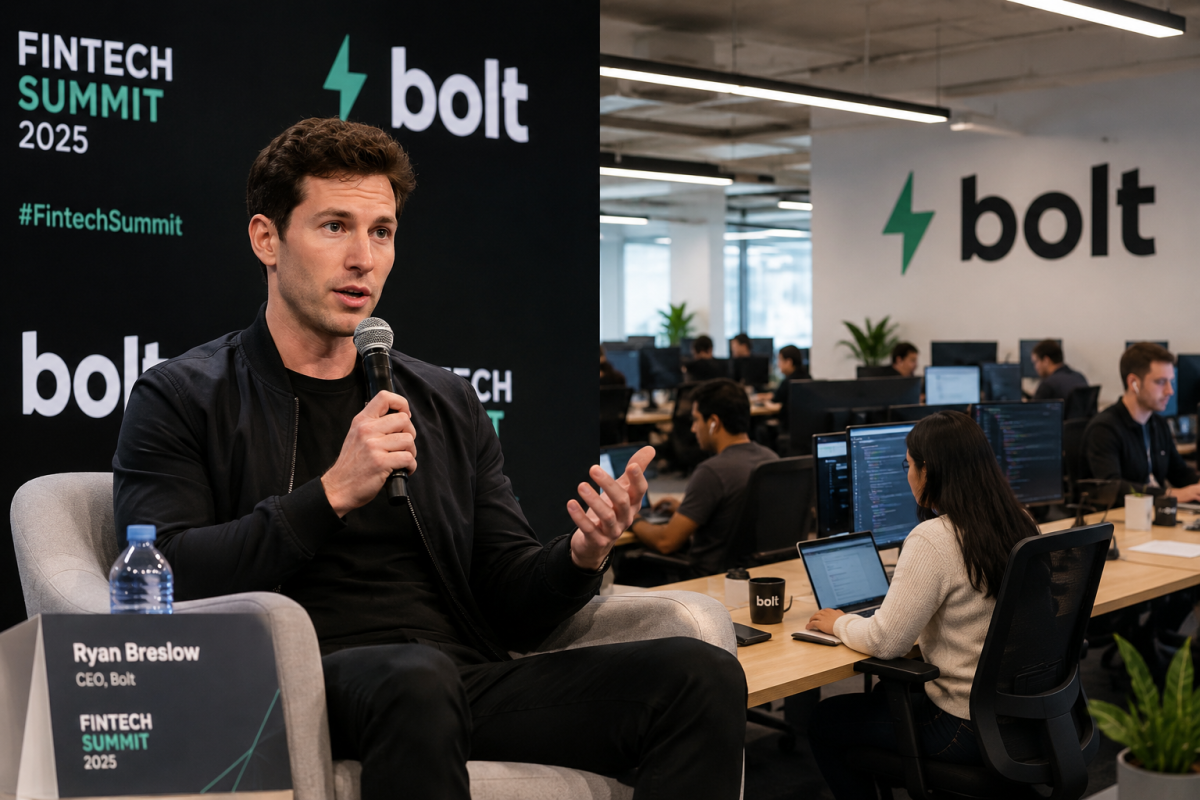
💼⚠️ Bolt CEO Ryan Breslow is facing growing backlash across Silicon Valley after defending deep layoffs and the complete elimination of the company’s HR department as part of what he described as a major corporate “turnaround” strategy aimed at cutting costs and accelerating efficiency. The controversy has reignited broader debates around startup culture, worker protections, AI-driven restructuring, and the future of traditional corporate management inside the tech industry.
According to reports highlighted by *Fortune*, fintech startup Bolt recently cut nearly **30% of its workforce** while aggressively restructuring operations amid financial pressure, leadership instability, investor concerns, and increasing competition in the one-click checkout market. Breslow, who returned as CEO earlier this year after previous controversies surrounding the company, reportedly defended the sweeping changes by arguing that leaner organizational structures are necessary for survival in today’s difficult startup environment.
One of the most controversial parts of Breslow’s comments involved his admission that Bolt had completely eliminated its human resources department. “We got rid of our HR team,” Breslow said while discussing operational changes inside the company. He reportedly argued that traditional HR structures slowed down execution and added unnecessary layers of bureaucracy during a period when startups are under intense pressure to reduce expenses and move faster.
The remarks quickly spread across social media platforms, especially X, where startup founders, employees, labor advocates, HR professionals, and tech workers debated whether eliminating HR departments represents innovation or a dangerous erosion of employee protections. Critics warned that removing HR teams could expose companies to serious legal, compliance, and workplace culture risks, especially around harassment investigations, hiring practices, labor law compliance, employee disputes, and workplace misconduct reporting.
Many observers argued that the controversy reflects a growing Silicon Valley mindset in which efficiency, automation, artificial intelligence, and investor demands are increasingly prioritized over traditional workplace structures and employee support systems. Some startup founders defended Breslow’s comments, saying early-stage companies often need to simplify management layers to survive periods of tighter venture capital funding and slower growth. Others warned that the growing obsession with “lean operations” could create toxic workplace environments and leave employees without adequate internal protections.
The debate comes during another difficult period for the American technology industry, where layoffs have continued across both tech and fintech sectors throughout 2025 and 2026. Rising borrowing costs, weaker venture capital investment, slower hiring, and mounting pressure from investors to show profitability have pushed many companies toward aggressive restructuring and automation-focused strategies. Artificial intelligence adoption has also accelerated efforts to reduce headcount in operations, administration, customer service, and middle-management functions.
For many Indian American and immigrant professionals working in Silicon Valley, the conversation carries additional significance. South Asian workers remain heavily represented across engineering, product management, operations, and data science roles within startups and fintech firms that have experienced repeated rounds of layoffs in recent years. Critics noted that HR departments often play an important role for immigrant employees navigating workplace conflicts, visa-related concerns, relocation support, and legal guidance tied to employment status.
The controversy surrounding Bolt also reflects a larger shift happening across corporate America, where executives increasingly frame AI and automation not simply as productivity tools but as ways to fundamentally redesign organizational structures and reduce administrative overhead. Analysts say debates over worker protections, corporate accountability, and the role of human oversight inside AI-driven companies are likely to intensify as more firms pursue aggressive automation-focused restructuring models.
While supporters of Breslow’s strategy argue that startups must adapt quickly to survive a far harsher economic environment, critics warn that Silicon Valley’s growing fixation on efficiency and cost-cutting could weaken workplace protections and deepen anxiety among employees already facing uncertainty from layoffs and AI disruption. Bolt has not publicly confirmed whether additional workforce reductions or restructuring measures are planned in the near future. 🚨💻
According to reports highlighted by *Fortune*, fintech startup Bolt recently cut nearly **30% of its workforce** while aggressively restructuring operations amid financial pressure, leadership instability, investor concerns, and increasing competition in the one-click checkout market. Breslow, who returned as CEO earlier this year after previous controversies surrounding the company, reportedly defended the sweeping changes by arguing that leaner organizational structures are necessary for survival in today’s difficult startup environment.
One of the most controversial parts of Breslow’s comments involved his admission that Bolt had completely eliminated its human resources department. “We got rid of our HR team,” Breslow said while discussing operational changes inside the company. He reportedly argued that traditional HR structures slowed down execution and added unnecessary layers of bureaucracy during a period when startups are under intense pressure to reduce expenses and move faster.
The remarks quickly spread across social media platforms, especially X, where startup founders, employees, labor advocates, HR professionals, and tech workers debated whether eliminating HR departments represents innovation or a dangerous erosion of employee protections. Critics warned that removing HR teams could expose companies to serious legal, compliance, and workplace culture risks, especially around harassment investigations, hiring practices, labor law compliance, employee disputes, and workplace misconduct reporting.
Many observers argued that the controversy reflects a growing Silicon Valley mindset in which efficiency, automation, artificial intelligence, and investor demands are increasingly prioritized over traditional workplace structures and employee support systems. Some startup founders defended Breslow’s comments, saying early-stage companies often need to simplify management layers to survive periods of tighter venture capital funding and slower growth. Others warned that the growing obsession with “lean operations” could create toxic workplace environments and leave employees without adequate internal protections.
The debate comes during another difficult period for the American technology industry, where layoffs have continued across both tech and fintech sectors throughout 2025 and 2026. Rising borrowing costs, weaker venture capital investment, slower hiring, and mounting pressure from investors to show profitability have pushed many companies toward aggressive restructuring and automation-focused strategies. Artificial intelligence adoption has also accelerated efforts to reduce headcount in operations, administration, customer service, and middle-management functions.
For many Indian American and immigrant professionals working in Silicon Valley, the conversation carries additional significance. South Asian workers remain heavily represented across engineering, product management, operations, and data science roles within startups and fintech firms that have experienced repeated rounds of layoffs in recent years. Critics noted that HR departments often play an important role for immigrant employees navigating workplace conflicts, visa-related concerns, relocation support, and legal guidance tied to employment status.
The controversy surrounding Bolt also reflects a larger shift happening across corporate America, where executives increasingly frame AI and automation not simply as productivity tools but as ways to fundamentally redesign organizational structures and reduce administrative overhead. Analysts say debates over worker protections, corporate accountability, and the role of human oversight inside AI-driven companies are likely to intensify as more firms pursue aggressive automation-focused restructuring models.
While supporters of Breslow’s strategy argue that startups must adapt quickly to survive a far harsher economic environment, critics warn that Silicon Valley’s growing fixation on efficiency and cost-cutting could weaken workplace protections and deepen anxiety among employees already facing uncertainty from layoffs and AI disruption. Bolt has not publicly confirmed whether additional workforce reductions or restructuring measures are planned in the near future. 🚨💻
Tags
news
Comments (0)
Login to post comments
No comments yet
Be the first to share your thoughts about this post.