News
General
⭐ Featured
114 views
Grok struggles hurt Musk AI expansion narrative
May 22, 2026
📍 Philadelphia, PA, USA
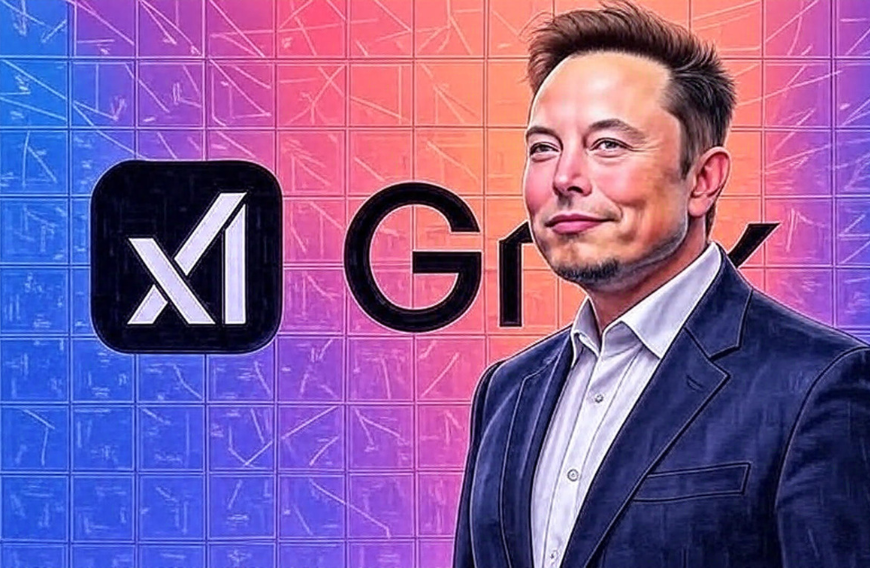
🤖🇺🇸 A new Reuters investigation is raising fresh questions about the real-world adoption and commercial strength of Elon Musk’s artificial intelligence company xAI after its chatbot Grok reportedly showed limited usage across U.S. government agencies — an increasingly critical battleground in the global AI competition. The report found that Grok appeared in only **three out of more than 400 documented federal AI use cases reviewed in 2025**, while competing systems from [OpenAI](https://openai.com), [Google](https://www.google.com), and Anthropic were integrated far more deeply into government operations, defense projects, and enterprise infrastructure.
The findings are significant because investors and analysts have increasingly tied xAI’s long-term growth narrative to the broader valuation expectations surrounding Elon Musk’s expanding technology empire, including [SpaceX](https://www.spacex.com), Starlink, and future AI infrastructure ambitions. Reuters reported that Grok’s limited federal presence could weaken assumptions that xAI will rapidly dominate enterprise and government AI markets despite Musk’s enormous public influence in technology and aerospace.
According to the investigation, Grok’s current government usage appears largely restricted to lower-level administrative functions such as drafting communications and document assistance, while agencies continue favoring AI tools already embedded inside existing Microsoft and Google cloud ecosystems. Federal officials and contractors reportedly described government procurement systems as highly “risk averse,” meaning agencies often prioritize vendors with stronger security certifications, compliance records, and long-term institutional relationships over newer entrants.
Although xAI reportedly secured a Pentagon contract worth up to **$200 million**, Reuters noted that the deal has not yet translated into broad operational deployment across federal agencies. Some officials reportedly raised concerns about reliability standards, approval processes, and integration readiness surrounding Grok deployments in sensitive government environments. Analysts say this highlights a larger reality emerging in the AI race: success may increasingly depend not just on building powerful models, but on meeting strict regulatory, cybersecurity, procurement, and institutional trust requirements.
The report also underscores how the AI competition is rapidly evolving beyond Silicon Valley hype into a battle over enterprise integration, government adoption, infrastructure dominance, and long-term reliability. As OpenAI, Anthropic, Google, Meta, and Musk’s xAI continue competing for contracts, talent, and institutional trust, the next phase of the AI boom may ultimately be decided less by social media attention and more by which companies can successfully embed themselves inside the world’s largest organizations and governments. 🌍⚡
The findings are significant because investors and analysts have increasingly tied xAI’s long-term growth narrative to the broader valuation expectations surrounding Elon Musk’s expanding technology empire, including [SpaceX](https://www.spacex.com), Starlink, and future AI infrastructure ambitions. Reuters reported that Grok’s limited federal presence could weaken assumptions that xAI will rapidly dominate enterprise and government AI markets despite Musk’s enormous public influence in technology and aerospace.
According to the investigation, Grok’s current government usage appears largely restricted to lower-level administrative functions such as drafting communications and document assistance, while agencies continue favoring AI tools already embedded inside existing Microsoft and Google cloud ecosystems. Federal officials and contractors reportedly described government procurement systems as highly “risk averse,” meaning agencies often prioritize vendors with stronger security certifications, compliance records, and long-term institutional relationships over newer entrants.
Although xAI reportedly secured a Pentagon contract worth up to **$200 million**, Reuters noted that the deal has not yet translated into broad operational deployment across federal agencies. Some officials reportedly raised concerns about reliability standards, approval processes, and integration readiness surrounding Grok deployments in sensitive government environments. Analysts say this highlights a larger reality emerging in the AI race: success may increasingly depend not just on building powerful models, but on meeting strict regulatory, cybersecurity, procurement, and institutional trust requirements.
The report also underscores how the AI competition is rapidly evolving beyond Silicon Valley hype into a battle over enterprise integration, government adoption, infrastructure dominance, and long-term reliability. As OpenAI, Anthropic, Google, Meta, and Musk’s xAI continue competing for contracts, talent, and institutional trust, the next phase of the AI boom may ultimately be decided less by social media attention and more by which companies can successfully embed themselves inside the world’s largest organizations and governments. 🌍⚡
Tags
news
Comments (0)
Login to post comments
No comments yet
Be the first to share your thoughts about this post.