News
General
⭐ Featured
111 views
Google appeals search monopoly ruling
May 25, 2026
📍 Philadelphia, PA, USA
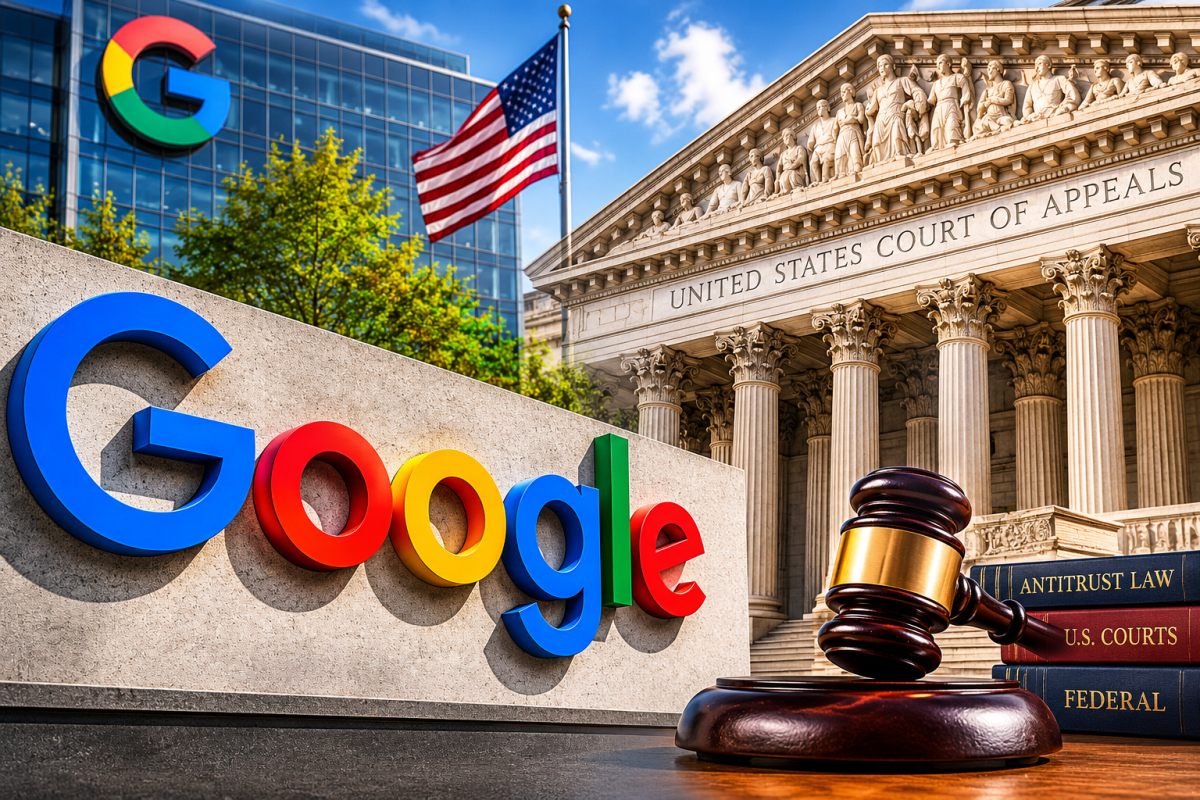
⚖️🌐 Alphabet-owned Google has officially appealed a landmark U.S. federal court ruling that found the tech giant maintained illegal monopolies in online search and digital advertising — escalating what is becoming one of the most significant antitrust battles in modern technology history.
The appeal challenges a 2024 decision by U.S. District Judge Amit Mehta, who ruled that Google unfairly protected its dominance by paying billions of dollars annually to companies like Apple to remain the default search engine across smartphones and web browsers. Regulators argued these agreements made it extremely difficult for competitors to gain meaningful market share in search.
Google, however, insists the ruling was legally flawed and says consumers continue choosing its platform because of product quality, innovation, and years of technological investment. In court filings, the company argued that device makers and browser developers were still free to promote alternative search engines such as Microsoft Bing and others.
The case has become far bigger than traditional internet search. Industry analysts say the outcome could influence the future of artificial intelligence, digital advertising, mobile ecosystems, and competition across Silicon Valley. Regulators believe control over search data and distribution channels may determine which companies dominate the next era of AI-powered products and online discovery.
One of the most closely watched aspects of the case involves potential remedies that could force Google to share portions of its search data with competitors. Reports suggest companies including OpenAI and other AI firms could benefit from expanded access to search and indexing infrastructure as they build next-generation AI systems. Google argues such measures could hurt innovation, security, and user privacy.
The U.S. Department of Justice is expected to push for even stronger restrictions in the coming months, including possible structural changes to Google’s business practices. Meanwhile, investors, tech startups, publishers, advertisers, and policymakers worldwide are closely watching the appeal because its outcome could reshape how dominant technology platforms operate globally for years to come. 🌍📱🤖
The appeal challenges a 2024 decision by U.S. District Judge Amit Mehta, who ruled that Google unfairly protected its dominance by paying billions of dollars annually to companies like Apple to remain the default search engine across smartphones and web browsers. Regulators argued these agreements made it extremely difficult for competitors to gain meaningful market share in search.
Google, however, insists the ruling was legally flawed and says consumers continue choosing its platform because of product quality, innovation, and years of technological investment. In court filings, the company argued that device makers and browser developers were still free to promote alternative search engines such as Microsoft Bing and others.
The case has become far bigger than traditional internet search. Industry analysts say the outcome could influence the future of artificial intelligence, digital advertising, mobile ecosystems, and competition across Silicon Valley. Regulators believe control over search data and distribution channels may determine which companies dominate the next era of AI-powered products and online discovery.
One of the most closely watched aspects of the case involves potential remedies that could force Google to share portions of its search data with competitors. Reports suggest companies including OpenAI and other AI firms could benefit from expanded access to search and indexing infrastructure as they build next-generation AI systems. Google argues such measures could hurt innovation, security, and user privacy.
The U.S. Department of Justice is expected to push for even stronger restrictions in the coming months, including possible structural changes to Google’s business practices. Meanwhile, investors, tech startups, publishers, advertisers, and policymakers worldwide are closely watching the appeal because its outcome could reshape how dominant technology platforms operate globally for years to come. 🌍📱🤖
Tags
news
Comments (0)
Login to post comments
No comments yet
Be the first to share your thoughts about this post.