News
General
⭐ Featured
96 views
12 years of Narendra Modi: Where the Indian prime minister stands now
May 27, 2026
📍 Philadelphia, PA, USA
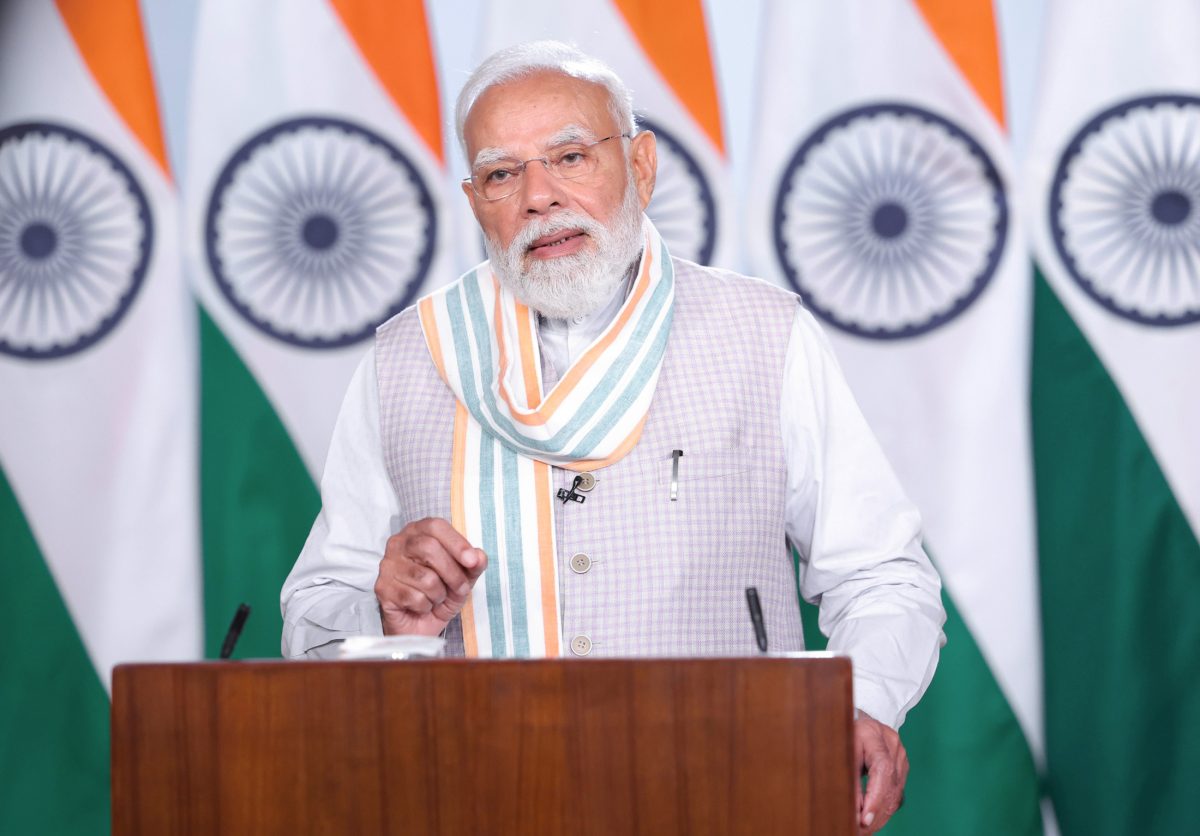
Here’s a more detailed social-post style version like your previous formats:
🇮🇳 Twelve years after Narendra Modi first took office in 2014 with promises of transformation, nationalism, and development, India today stands at a complicated crossroads shaped by both undeniable progress and growing public debate. Over the past decade, the country has witnessed massive infrastructure expansion through highways, airports, digital banking, welfare schemes, and healthcare programs that transformed daily life for millions of Indians. Programs like Jan Dhan, Ayushman Bharat, Swachh Bharat, and UDAN helped redefine financial inclusion, healthcare access, sanitation, and regional connectivity across the country.
Modi also reshaped India’s global image, giving the country a more assertive voice in international diplomacy and strengthening India’s position on the world stage. From G20 diplomacy to strategic partnerships with the United States and Europe, his leadership created a perception of a more confident and ambitious India. Even symbolic moments — like gifting Italy’s Giorgia Meloni a simple Melody toffee during the G7 Summit — became viral global moments that reflected Modi’s carefully cultivated political charisma and cultural confidence.
At the same time, critics argue that many of the biggest promises of 2014 remain unfulfilled. Rising unemployment among educated youth, increasing fuel prices, economic inequality, and controversies such as the NEET paper leak scandal continue fueling frustration among sections of the population. Concerns have also intensified over institutional independence, media freedom, political centralization, and what opponents describe as the growing personalization of governance around Modi himself.
Supporters see Modi as the leader who modernized India, strengthened national pride, and transformed global perceptions of the country. Critics believe India’s democratic institutions, dissent culture, and economic opportunities have weakened under excessive concentration of power. Twelve years later, the Modi era remains one of the most transformative — and most debated — political chapters in modern Indian history, with the final judgment on its long-term legacy still far from settled. 🇮🇳
🇮🇳 Twelve years after Narendra Modi first took office in 2014 with promises of transformation, nationalism, and development, India today stands at a complicated crossroads shaped by both undeniable progress and growing public debate. Over the past decade, the country has witnessed massive infrastructure expansion through highways, airports, digital banking, welfare schemes, and healthcare programs that transformed daily life for millions of Indians. Programs like Jan Dhan, Ayushman Bharat, Swachh Bharat, and UDAN helped redefine financial inclusion, healthcare access, sanitation, and regional connectivity across the country.
Modi also reshaped India’s global image, giving the country a more assertive voice in international diplomacy and strengthening India’s position on the world stage. From G20 diplomacy to strategic partnerships with the United States and Europe, his leadership created a perception of a more confident and ambitious India. Even symbolic moments — like gifting Italy’s Giorgia Meloni a simple Melody toffee during the G7 Summit — became viral global moments that reflected Modi’s carefully cultivated political charisma and cultural confidence.
At the same time, critics argue that many of the biggest promises of 2014 remain unfulfilled. Rising unemployment among educated youth, increasing fuel prices, economic inequality, and controversies such as the NEET paper leak scandal continue fueling frustration among sections of the population. Concerns have also intensified over institutional independence, media freedom, political centralization, and what opponents describe as the growing personalization of governance around Modi himself.
Supporters see Modi as the leader who modernized India, strengthened national pride, and transformed global perceptions of the country. Critics believe India’s democratic institutions, dissent culture, and economic opportunities have weakened under excessive concentration of power. Twelve years later, the Modi era remains one of the most transformative — and most debated — political chapters in modern Indian history, with the final judgment on its long-term legacy still far from settled. 🇮🇳
Tags
news
Comments (0)
Login to post comments
No comments yet
Be the first to share your thoughts about this post.