News
General
96 views
Thought control: Who is teaching whom in the age of AI?
Jun 03, 2026
📍 Philadelphia, PA, USA
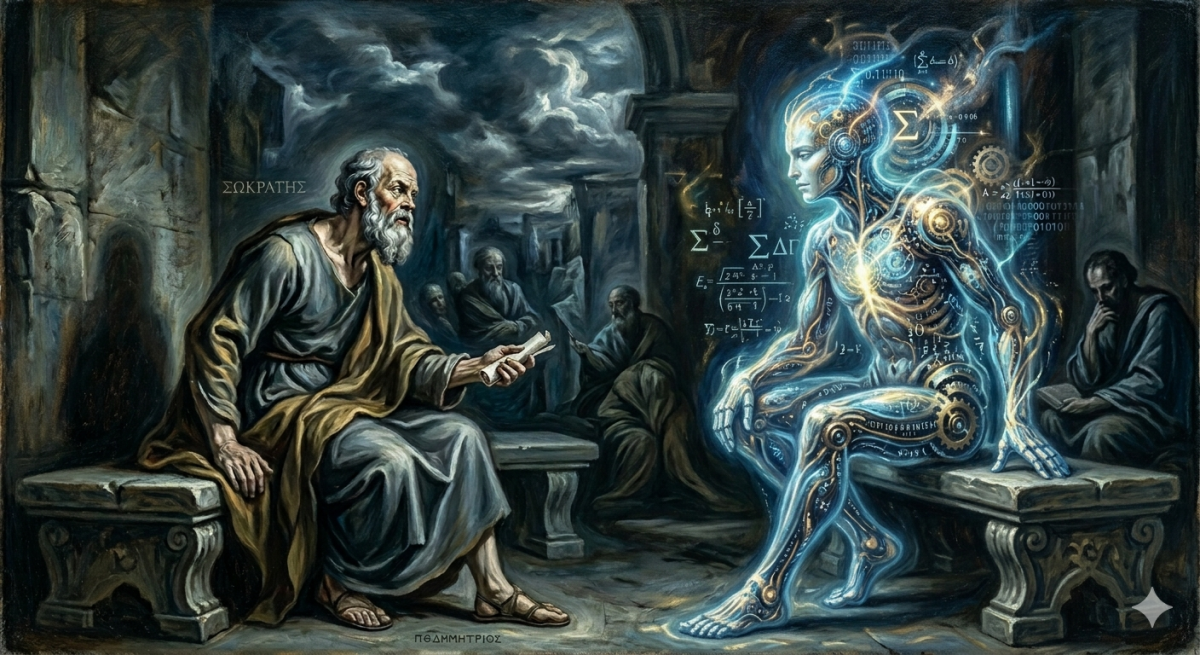
🎓🤖 As artificial intelligence becomes increasingly embedded in education, a growing debate is emerging over the difference between **knowledge and understanding**. A thought-provoking discussion sparked by neuroscientist and entrepreneur Vivienne Ming argues that while students today can access virtually unlimited information through AI, true understanding remains far more difficult to develop.
For centuries, education was built around access to knowledge. Teachers, universities, books, and institutions served as gatekeepers of information, giving those who possessed specialized knowledge significant social and professional advantages. Today, however, AI tools have transformed that dynamic. Students can instantly access explanations, summaries, research, and tutoring support that once required years of study or expensive educational resources.
Yet many educators argue that possessing information is not the same as understanding it. Knowledge involves facts, procedures, and answers. Understanding involves navigating uncertainty, questioning assumptions, connecting ideas across disciplines, and making sound judgments when answers are incomplete or unclear. These skills are becoming increasingly important as AI systems become more capable of generating polished responses and convincing explanations.
The challenge for modern education is that traditional systems often reward solving well-defined problems with clear answers. Exams, grades, and professional credentials frequently measure recall and procedural competence rather than deeper reasoning. As AI becomes better at producing correct answers, educators are increasingly asking whether schools should focus less on memorization and more on developing critical thinking, intellectual curiosity, creativity, and resilience in the face of ambiguity.
Researchers suggest that the most effective use of AI may not be replacing human thinking but strengthening it. Instead of simply providing answers, AI can act as a partner that challenges assumptions, exposes blind spots, and encourages deeper exploration of complex questions. In this model, technology becomes a tool for expanding human intelligence rather than substituting for it.
The broader lesson extends beyond classrooms. In a world where information is abundant and AI-generated explanations are available instantly, the real competitive advantage may no longer be knowing more facts than others. It may be the ability to think independently, tolerate uncertainty, connect ideas across fields, and ask better questions than machines can answer. 🌍📚✨
For centuries, education was built around access to knowledge. Teachers, universities, books, and institutions served as gatekeepers of information, giving those who possessed specialized knowledge significant social and professional advantages. Today, however, AI tools have transformed that dynamic. Students can instantly access explanations, summaries, research, and tutoring support that once required years of study or expensive educational resources.
Yet many educators argue that possessing information is not the same as understanding it. Knowledge involves facts, procedures, and answers. Understanding involves navigating uncertainty, questioning assumptions, connecting ideas across disciplines, and making sound judgments when answers are incomplete or unclear. These skills are becoming increasingly important as AI systems become more capable of generating polished responses and convincing explanations.
The challenge for modern education is that traditional systems often reward solving well-defined problems with clear answers. Exams, grades, and professional credentials frequently measure recall and procedural competence rather than deeper reasoning. As AI becomes better at producing correct answers, educators are increasingly asking whether schools should focus less on memorization and more on developing critical thinking, intellectual curiosity, creativity, and resilience in the face of ambiguity.
Researchers suggest that the most effective use of AI may not be replacing human thinking but strengthening it. Instead of simply providing answers, AI can act as a partner that challenges assumptions, exposes blind spots, and encourages deeper exploration of complex questions. In this model, technology becomes a tool for expanding human intelligence rather than substituting for it.
The broader lesson extends beyond classrooms. In a world where information is abundant and AI-generated explanations are available instantly, the real competitive advantage may no longer be knowing more facts than others. It may be the ability to think independently, tolerate uncertainty, connect ideas across fields, and ask better questions than machines can answer. 🌍📚✨
Tags
news
Comments (0)
Login to post comments
No comments yet
Be the first to share your thoughts about this post.