News
General
16 views
United CEO says major airline merger unlikely after American rebuff
Jun 09, 2026
📍 Philadelphia, PA, USA
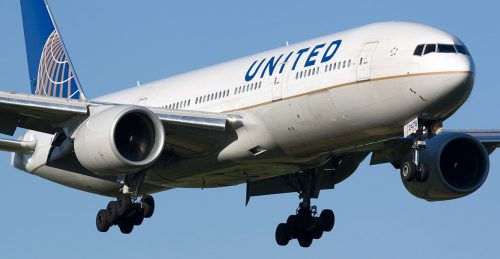
The prospect of a mega-merger in the U.S. airline industry appears to be grounded, at least for now. United Airlines CEO Scott Kirby has indicated that the company is stepping away from pursuing large-scale airline mergers after American Airlines rejected discussions about a potential combination. The proposed partnership would have created one of the largest aviation companies in the world, reshaping the competitive landscape of the industry. However, concerns surrounding market competition, consumer choice, and regulatory approval made the prospect increasingly difficult to pursue.
Rather than chasing another transformative merger, United is shifting its focus toward strategic growth opportunities that strengthen its existing network. Kirby emphasized that the airline remains interested in acquiring valuable airport assets such as gates, slots, and operational infrastructure when opportunities arise. As rising fuel costs and economic pressures challenge smaller carriers, United sees potential in selectively expanding its footprint through targeted asset purchases rather than headline-grabbing acquisitions.
The airline’s leadership believes that long-term success will be driven by operational excellence rather than consolidation. Investments in customer experience, premium travel services, loyalty programs, digital innovation, and advanced technology continue to be at the center of United’s strategy. According to Kirby, airlines that consistently improve reliability and service quality are best positioned to win market share in an increasingly competitive environment.
Kirby also dismissed speculation regarding a potential acquisition of JetBlue Airways, suggesting that the carrier does not currently align with United’s strategic priorities. He pointed to concerns about profitability and questioned whether acquiring an airline with ongoing financial challenges would create meaningful value for United or its shareholders. His comments signal a preference for disciplined growth over expansion for expansion’s sake.
The latest developments reflect a broader reality facing the airline industry. Regulatory scrutiny has intensified in recent years, making major mergers more difficult to complete. Government agencies have shown increasing willingness to challenge deals that could reduce competition or lead to higher fares for consumers. As a result, airlines are adapting by focusing on organic growth, network optimization, and operational investments instead of pursuing large-scale consolidation.
For United Airlines, the path forward appears clear: strengthen existing operations, expand strategically where opportunities exist, and continue investing in the customer experience. While the idea of an industry-defining merger may have generated significant attention, the company now seems focused on building growth through performance, innovation, and carefully selected acquisitions rather than transformative corporate deals.
Rather than chasing another transformative merger, United is shifting its focus toward strategic growth opportunities that strengthen its existing network. Kirby emphasized that the airline remains interested in acquiring valuable airport assets such as gates, slots, and operational infrastructure when opportunities arise. As rising fuel costs and economic pressures challenge smaller carriers, United sees potential in selectively expanding its footprint through targeted asset purchases rather than headline-grabbing acquisitions.
The airline’s leadership believes that long-term success will be driven by operational excellence rather than consolidation. Investments in customer experience, premium travel services, loyalty programs, digital innovation, and advanced technology continue to be at the center of United’s strategy. According to Kirby, airlines that consistently improve reliability and service quality are best positioned to win market share in an increasingly competitive environment.
Kirby also dismissed speculation regarding a potential acquisition of JetBlue Airways, suggesting that the carrier does not currently align with United’s strategic priorities. He pointed to concerns about profitability and questioned whether acquiring an airline with ongoing financial challenges would create meaningful value for United or its shareholders. His comments signal a preference for disciplined growth over expansion for expansion’s sake.
The latest developments reflect a broader reality facing the airline industry. Regulatory scrutiny has intensified in recent years, making major mergers more difficult to complete. Government agencies have shown increasing willingness to challenge deals that could reduce competition or lead to higher fares for consumers. As a result, airlines are adapting by focusing on organic growth, network optimization, and operational investments instead of pursuing large-scale consolidation.
For United Airlines, the path forward appears clear: strengthen existing operations, expand strategically where opportunities exist, and continue investing in the customer experience. While the idea of an industry-defining merger may have generated significant attention, the company now seems focused on building growth through performance, innovation, and carefully selected acquisitions rather than transformative corporate deals.
Tags
news
Comments (0)
Login to post comments
No comments yet
Be the first to share your thoughts about this post.